The short answer: you can make friends without drinking by choosing activities where the activity, not the bar, is the point: daytime coffee and markets, run clubs and parkrun, climbing, choirs and classes, board games, volunteering and food-based plans. Pick one or two that repeat weekly so you see the same people, and when you are invited to the pub, go if you like and order something else. Below are 40 ideas grouped by type, scripts for turning down a drink without awkwardness, and how to host an alcohol-free plan people actually want to come to.
Plenty of people do not drink, or drink less: for health, faith, training, recovery, pregnancy, medication, budget, or simply because they do not enjoy it. Abroad, it can feel harder, especially in pub-centred cities. But “not drinking” is not the same as “not socialising”, and the friendships you build around shared activities are often deeper than the ones built at 1am. This is a practical list, not a lecture: drink or do not, these ideas work either way.
Why activity-based plans make better friendships
Friendship grows from repeated time together, and research suggests the kind of time matters. Communication researcher Jeffrey Hall at the University of Kansas found that hanging out, joking around and playing games counts for more than hours spent working together, and estimated roughly 50 hours together to become casual friends (we explain the numbers in our guide on how to make friends abroad). Many alcohol-free activities are exactly that kind of time: shared, playful and easy to repeat.
40 ways to make friends without drinking
Daytime and coffee (1–7)
- A weekly coffee with a language-exchange partner.
- Saturday-morning market visits with someone from your club or class.
- A regular brunch group (pick a café, rotate who chooses).
- Coffee-shop coworking days with other remote workers.
- Bakery or pastry crawls: a different neighbourhood each month.
- Museum and gallery mornings, many with free or reduced entry at set times.
- A walking-and-talking coffee: takeaway cups and a loop of the park.
Why it works: daytime plans are short, cheap and low-pressure, which makes them easy to say yes to and easy to repeat. A standing Saturday brunch or a weekly tandem coffee quietly adds the hours friendship needs.
Active (8–15)
- parkrun: free, timed 5 km runs or walks on Saturday mornings in many European countries, often followed by coffee.
- A social run club with a weekly route.
- Bouldering or climbing courses (resting between climbs is built-in chat time).
- Team sports with social or beginner sections: football, netball, Gaelic games, volleyball, hockey.
- Padel or tennis mixed-level sessions.
- Hiking groups for weekend day trips.
- Sea or open-water swimming groups (always with others, never alone).
- Dance classes: salsa, swing, kizomba, contemporary.

Why it works: sport gives you a shared goal, built-in repetition and a natural moment afterwards (the coffee, the stretch, the breakfast) to talk. Teams and courses are better than drop-ins, because you see the same people each week.
Creative (16–22)
- A community or workplace choir.
- Pottery or ceramics courses.
- Life-drawing or sketching groups.
- Improv or amateur theatre.
- Photography walks.
- Writing groups or book clubs that meet in cafés or libraries.
- Craft circles: knitting, sewing, repair cafés.
Why it works: creative groups ask you to be a little vulnerable together, which bonds people quickly. Courses that run for six to ten weeks are ideal: long enough to build familiarity, short enough to commit to.
Games and culture (23–28)
- Board-game cafés and game evenings.
- Chess clubs or park chess.
- Pub quizzes with a soft drink (quizzes are about the questions, not the pint).
- Cinema clubs and film screenings followed by a café chat.
- Talks, lectures and library events.
- Language exchanges in cafés, or at bars where you order a soft drink.
Why it works: games are exactly the kind of playful time that builds friendship, and they take the pressure off conversation. A quiz team or a regular games night quickly becomes a little community.
Volunteering and community (29–34)
- Food banks and food-rescue shifts.
- Community gardens and allotments.
- Beach, river or park clean-ups.
- Animal shelters.
- Volunteering at parkrun or local races.
- Neighbourhood festivals and events that need helpers.
Why it works: volunteering mixes newcomers with locals around a shared purpose, and regular shifts mean the same faces. It is also an easy conversation starter: you already have something in common.
Food (35–40)
- Cooking classes, especially local cuisine.
- Potluck dinners with a rotating host.
- Food-market lunches at shared tables.
- Bake-and-swap afternoons.
- Picnics in the park.
- Breakfast after a sports session.
Why it works: sharing food is one of the oldest bonding rituals there is. Potlucks and cooking nights also give everyone a role, which helps quieter people join in.
Choosing the right idea for you
Forty ideas is a lot. To choose, ask three questions: Do I want to meet locals or other newcomers (volunteering and local clubs for the first, expat groups for the second)? Do I prefer one-to-one or groups (tandems and coffees versus teams and classes)? When am I free (mornings and weekends suit runs, markets and hikes; evenings suit classes, quizzes and games)? Pick one weekly anchor and one occasional extra, and give them at least a month before judging.
How to turn down a drink without awkwardness
You do not owe anyone an explanation. A short, friendly line and a change of subject usually does it. Copy whichever fits you:
- “I’m not drinking, but I’ll have a sparkling water. So, how was your week?”
- “I’m good with a coffee, thanks.”
- “Not for me this time, I’ve got an early run.” (Only if it is true; you never need an excuse.)
- “I don’t drink, but I’d love to come along.”
- When offered a round: “I’ll get my own, thanks. What’s everyone having? I’m buying the crisps.”
Holding a glass of something (soda water with lime, an alcohol-free beer, a soft drink) tends to stop repeated offers. Most people care far less than you might fear; a confident, relaxed answer is usually the end of it.
In pub-centred cultures
In cities where pubs are the default, such as Dublin, Berlin or Prague, you do not have to avoid them. Go to the quiz, the trad session or the after-training gathering and order what you like; alcohol-free beers are now widely available. Our guide on making friends in Dublin explains how rounds work and how to opt out gracefully, and making friends in Berlin covers clubs and daytime options in a famously late-night city.

When your friends drink and you do not
Mixed groups work fine with a little planning. Suggest the plans you enjoy most often, so the group has a mix of pub nights and daytime activities. Arrive early and leave when you want; the first hour of a night out is usually the most sociable anyway. If you are the designated driver or simply heading home, a cheerful “I’ll head, see you at training on Tuesday” keeps the friendship going. And if a group only ever meets to drink heavily and you are not enjoying it, it is fine to invest more time in other circles.
How to host an alcohol-free plan people actually want to come to
Hosting is the fastest way to build a circle, and alcohol-free plans are easy to make inviting:
- Choose an activity with a natural focus: brunch, a board-game afternoon, a picnic, a walk with a café stop, a cooking night.
- Pick a time that suits it. Daytime and early evening feel natural without alcohol.
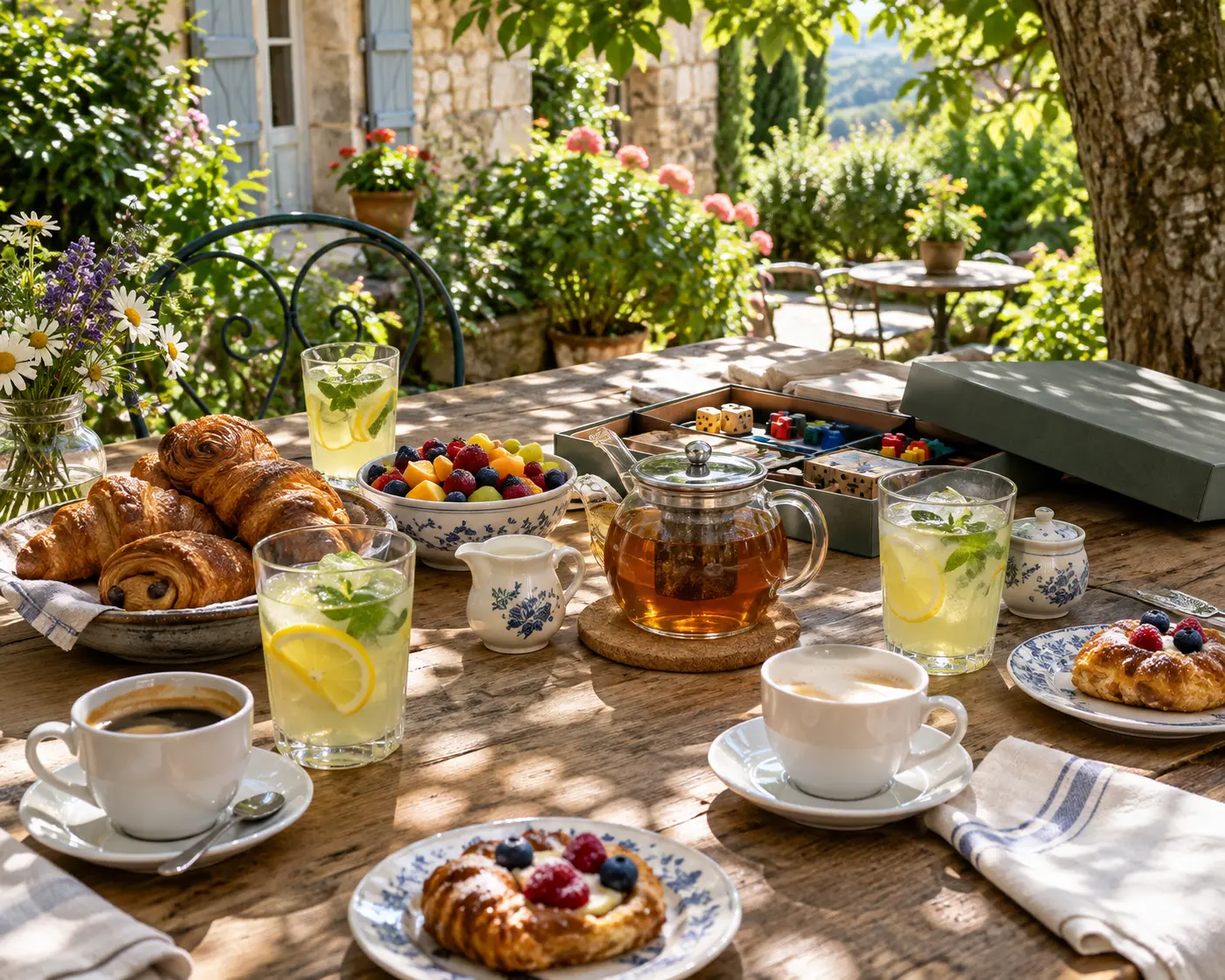
- Make the drinks interesting. Good coffee, iced tea, homemade lemonade, alcohol-free spritzes. People notice the effort.
- Keep it small and specific. Three to six people, a clear start time and place.
- Say how the bill works. “We’ll each pay our own” or “I’ll host, bring a snack”.
- Repeat it. A monthly brunch or games afternoon becomes a fixture people look forward to.
Posting a plan like this at a public place, saying who pays and choosing who joins is exactly what our own app MeetNow is built for; if that sounds useful, open MeetNow on the web.
Invitation templates
“Hosting a board-game afternoon at the café on the corner, Saturday from 3. No drinking needed, just bring your competitive streak. Who’s in?”
“Picnic in the park on Sunday at 12, I’ll bring lemonade and something baked. Bring a blanket and a friend.”
For more wording ideas, see our 25 scripts to ask someone to hang out as a friend.
Expat angle: language exchanges and new cities
Many language exchanges take place in bars, but you can almost always order coffee or a soft drink, and some meet in cafés or libraries. They are among the best places to meet locals as a newcomer. Our guide to language exchanges in Berlin, for example, includes a free afternoon conversation café in a library.
If you are new to a city, start with one weekly activity from the list above and one recurring social event, then add small plans with the people you meet. The method is the same whether or not you drink: repeated contact, small invitations, patience.

Seasonal ideas
- Spring: blossom walks, cycling trips, outdoor market season starting up, beginner running programmes.
- Summer: picnics, open-air cinema, lake and sea swimming, festivals with daytime programmes, long evening walks.
- Autumn: new courses and club seasons starting, harvest markets, hiking in the hills, board-game evenings as the nights draw in.
- Winter: Christmas markets (with hot chocolate or mulled juice), ice skating, museum days, cooking nights and potlucks.
Every season has a natural reason to make a plan. Suggesting the seasonal one (“The market opens on Saturday, want to go?”) is an easy, low-pressure invitation.
A four-week plan
- Week 1: try two activities from different categories (for example parkrun and a pottery class).
- Week 2: go back to the one you enjoyed; learn three names.
- Week 3: suggest a coffee or breakfast after the session to one person.
- Week 4: host a small alcohol-free plan: brunch, games or a picnic.
Staying safe
When meeting someone new: choose a public place, tell a friend where you are going, arrange your own way home and leave if anything feels off.
Want to turn this into an actual plan? MeetNow is a free app for meeting people in person: a host posts a plan at a public place, says who pays (host pays, split, pay your own or free) and picks who joins. It is live on the web now, starting in Malta, with the phone apps on the way: open MeetNow and see the plans near you. (MeetNow is our own app; see our disclosure.)
Frequently asked questions
Is it harder to make friends if you don’t drink?
It can feel harder in pub-centred cultures, but it is very doable. Activity-based groups such as sports clubs, classes, choirs and volunteering meet repeatedly and build friendships just as well, often better, than nights out.
How do I say no to a drink without making it awkward?
Keep it short and friendly, then change the subject: “I’m not drinking, but I’ll have a sparkling water.” You never owe an explanation. Holding a soft drink or alcohol-free beer usually stops repeated offers.
Should I still go to the pub if I don’t drink?
If you enjoy the company, yes. Order what you like, join the quiz or the conversation, and leave when you want. Mixing pub plans with daytime and activity-based plans gives you the best of both.
What are good alcohol-free things to do with new friends?
Brunch, markets, parkrun, hikes, climbing, board games, cooking classes, picnics, museums, film screenings and volunteering are all easy to suggest and repeat.
How do I host a social event without alcohol?
Choose a format with a focus (games, food, a walk), pick a daytime or early-evening slot, offer interesting soft drinks, keep the group small and repeat it regularly.
Can I go to language exchanges if I don’t drink?
Yes. You can order coffee or a soft drink at bar-based exchanges, and some meet in cafés or libraries. They are one of the best ways to meet locals as a newcomer.
What should I order at a bar if I’m not drinking?
Whatever you enjoy: soda water with lime, a soft drink, an alcohol-free beer or cocktail, or a coffee. Many bars now have proper alcohol-free options, and nobody needs to know why you chose them.
Last updated October 2026.