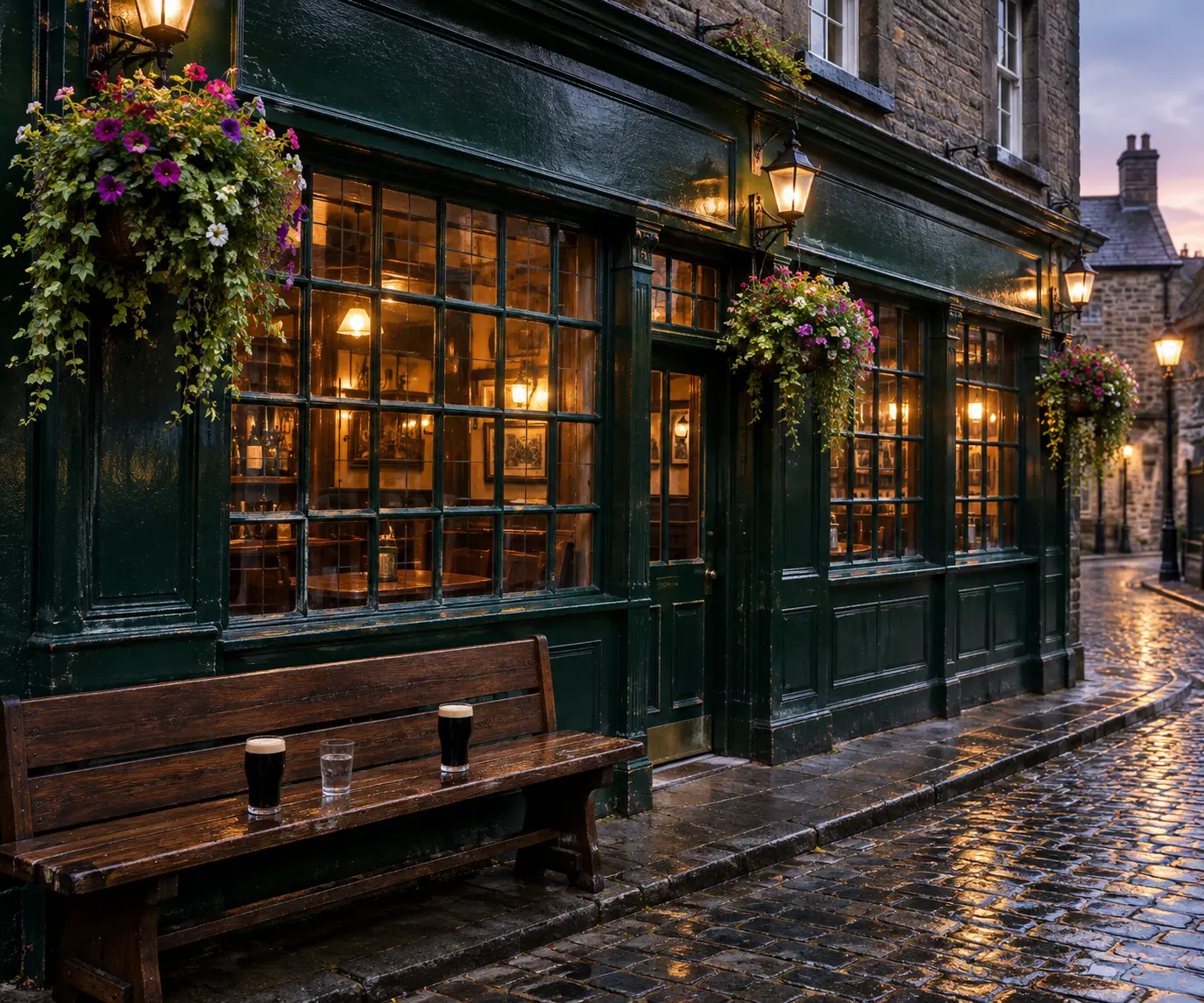
The short answer: making friends in Dublin is mostly about clubs. Join a sports or social club that meets weekly (Gaelic games, rugby, running or a Saturday parkrun), add a volunteering slot through Volunteer Ireland, and use Meetup, InterNations or the International Women’s Club of Dublin to fill your first weekends. Dubliners are famously friendly in conversation, but deeper friendships tend to come through “a friend of a friend” and shared activities, so expect the first close friends after several months and a proper circle after about a year.
Dublin is an easy city to arrive in if you speak English: the chat flows, the pubs are welcoming and people will happily give you directions, recommendations and their opinion on your accent. The harder part is moving from friendly chat to a phone full of people you actually see. Many Dubliners have tight circles from school, college and their home county, and a lot of social life runs through clubs and family. This guide covers where to plug in, with groups I verified in October 2026.
Is it hard to make friends in Dublin?
Meeting people is easy; turning them into friends takes effort and time, like anywhere. A few Dublin-specific patterns:
- Established circles. Friend groups often date back to school or college, and many people go “home” to their county at weekends.
- Clubs are the social backbone. GAA, rugby, rowing, running and social clubs are where adults make friends, and they are generally open to newcomers.
- Friend-of-a-friend culture. Introductions matter. Once you know a few people, invitations snowball.
- A big international population. Many newcomers work in tech, healthcare and hospitality, so there is no shortage of other people looking for friends too.
The research on adult friendship (explained in our guide on how to make friends abroad) suggests dozens of hours together are needed to become friends. A weekly club gives you those hours almost automatically.
A realistic Dublin timeline
- First month: lots of friendly chats and a few names. Normal.
- Months two to three: familiar faces at your club or quiz; the first coffee or pint outside it.
- Months four to six: one or two people you message without a reason, and your first friend-of-a-friend invitations.
- Around a year: a small, reliable circle, often a mix of internationals and Dubliners.
Dublin groups and places to start: verified list
I checked these on their own pages or official reporting in October 2026. Club details change, so confirm before you go.
| Name | What it is | When | Cost | Link |
|---|---|---|---|---|
| Na Gaeil Nua (founded as Columbus Gaelic) | Migrant-led Gaelic games club founded on St Patrick’s Day 2024, now with members from more than 50 nationalities; football and hurling, and it also welcomes Irish players, coaches and volunteers | Training at Fairview Park (check the club’s site for times) | See club | club site |
| parkrun (several Dublin parks) | Free, timed 5 km run or walk in parks including Marlay, St Anne’s, Malahide and Porterstown | Saturday mornings | Free (register once) | about parkrun |
| International Women’s Club of Dublin | Non-profit social club founded in 1982 for women in Dublin’s international community (and Irish women returning from abroad); 300+ members from 60+ nationalities | Regular social, educational and leisure activities | Membership; see Join Us page | iwcdublin.ie |
| Volunteer Ireland | National volunteering organisation with a role search and a network of local Volunteer Centres | One-off and regular roles | Free | volunteer.ie |
| InterNations Dublin | Expat network with regular events; some are member-priced | Regular events | Varies | internations.org |
| Dublin.ie “How to meet people” guide | The city’s official guide pointing to Meetup, InterNations, nationality associations, college societies and Eventbrite listings | Ongoing | Free | dublin.ie |
GAA: the most Irish way to make friends
The Gaelic Athletic Association (GAA) is the heart of community life in Ireland. Clubs field teams in Gaelic football, hurling, camogie and ladies’ football, and the clubhouse is often the social centre of a parish, with quiz nights, fundraisers and a bar. Many clubs run social or beginner teams for adults who have never played, and newcomers are increasingly welcome. The GAA’s own getting involved pages explain the ways in, from playing to volunteering.
Na Gaeil Nua (Columbus Gaelic): built for newcomers
According to RTÉ, Columbus Gaelic was founded on St Patrick’s Day 2024 by Emilio Piccione, originally from Italy, as Ireland’s first migrant-led GAA club. It trains at Fairview Park on Dublin’s northside and has brought together players from 28 countries, using Gaelic games as a pathway into Irish culture. The report also notes that the club needs Irish players, coaches and volunteers, which makes it a natural meeting point between newcomers and locals. The club now goes by the name Na Gaeil Nua (The New Gaels), and by May 2026, when it hosted a Europe Day training session at Fairview Park, it described itself as having more than 50 nationalities.

Rugby, rowing and other clubs
Dublin has rugby clubs with social and beginner sections, rowing clubs on the Liffey, tag rugby leagues in summer, five-a-side football and plenty of tennis and hockey clubs. As with GAA, the post-training pint (or soft drink) in the clubhouse is where friendships happen. Ask about social or “development” teams if you are new to a sport.
Running: start with parkrun
parkrun is huge in Ireland, with more than 100 events nationwide. Dublin has several free, timed Saturday-morning 5 km events in parks such as Marlay Park, St Anne’s Park in Raheny, Malahide and Porterstown, and walkers are welcome. Many events have a coffee afterwards, and volunteering (marshalling, timekeeping, scanning) is a brilliant way to get to know the regulars. Running clubs and social run groups across the city meet midweek too.

Expat groups and social clubs
The city’s official dublin.ie guide to meeting people points newcomers to Meetup and InterNations, to nationality associations, to student societies at colleges such as Trinity and UCD, and to Eventbrite for one-off events, many of them free. A few options:
- International Women’s Club of Dublin: founded in 1982 to welcome international women and their families, with more than 300 members from over 60 nationalities and a programme of social, educational and leisure activities.
- InterNations Dublin: regular expat events, some member-priced.
- Meetup: hiking, board games, book clubs, language exchanges, tech and social groups. Pick ones with recent, well-attended events that repeat.
Volunteering
Volunteering is one of the best ways to meet Dubliners rather than other newcomers. Volunteer Ireland, the national volunteer development organisation, has a role search and supports a network of local Volunteer Centres that can match you with charities, sports clubs, festivals and community projects. A regular weekly slot builds friendships far faster than occasional one-offs.
Pubs, quizzes and trad sessions
Pubs are central to Irish social life, but they work best for friendship when there is a reason to come back. Pub quizzes are a great option: join a team, or ask to join one, and return weekly. Traditional music sessions are wonderful to listen to, and if you play an instrument, many sessions welcome newcomers who know the etiquette (listen first, ask before joining in). Book clubs, comedy nights and choirs also often meet in pubs.
Not a drinker? You will not be alone. Order a soft drink, a coffee or one of the many alcohol-free beers now on tap, and nobody will think twice. Daytime plans such as parkrun, sea swims, walks on Howth Head and markets are just as social.

Sea swimming and the outdoors
Dublin’s coastline is one of its best social assets. Year-round sea swimming has a devoted following, and spots such as the Forty Foot in Sandycove and the beaches and piers around Dún Laoghaire, Clontarf and Howth have regulars who swim at the same time every week, often followed by tea or coffee on the shore. Swimming groups usually welcome newcomers who respect safety (never swim alone, check conditions and tides). Hiking groups head for Howth Head and the Dublin and Wicklow mountains at weekends, and a full day’s hike is one of the fastest ways to get to know people.
Work and colleagues
For many newcomers, especially in tech, healthcare and finance, the workplace is the first social circle. Say yes to after-work drinks and team events, and look for company sports teams, running clubs or volunteering days; larger employers often have all three. Colleagues are also a great source of friend-of-a-friend introductions: “We’re going to a quiz on Thursday, want to come?” is how many Dublin circles start.
Dublin’s social calendar
- St Patrick’s Day (17 March): the city’s biggest celebration, with a parade and a festival. Lively and crowded; a good plan to share with new friends.
- Bloomsday (16 June): celebrations of James Joyce’s Ulysses, with readings and people in Edwardian dress.
- Summer: tag rugby leagues, outdoor gigs and long evenings make it the easiest season to meet people.
- Christmas: the season of work parties and catch-ups, and a good time to host a small get-together for your new circle.
Common newcomer mistakes in Dublin
- Only socialising in the pub. Fun, but conversations reset every time. Add a club or a weekly activity.
- Taking “we’ll see” as a yes. Suggest a specific day to turn a maybe into a plan.
- Skipping the second visit. Clubs reward people who come back. The third training session is when it starts to feel like yours.
- Waiting to be invited. Be the one who suggests the quiz, the walk or the coffee.
- Judging by the first winter. Short days can be tough. Keep your routines going; spring and summer bring a wave of outdoor plans.
Neighbourhood notes
- Stoneybatter and Smithfield: villagey, with independent cafés and a strong local feel close to the centre.
- Portobello and Rathmines: popular with young professionals, near the canal, lots of cafés and pubs.
- Phibsborough and Drumcondra: northside, near Croke Park, with a strong GAA culture.
- Clontarf and Fairview: coastal northside, close to St Anne’s Park and the bay.
- Dún Laoghaire and the southside coast: sea swimming, pier walks and a relaxed pace.
Local norms: how Dubliners socialise
A little Dublin vocabulary
- “What’s the craic?” How are things? What’s happening? Craic means fun, news or good company.
- “Grand.” Fine, OK. Can mean anything from great to not great, depending on tone.
- “Your round.” Your turn to buy drinks for the group.
- “Slagging.” Affectionate teasing. Being slagged usually means you are in.
- “I’ll head.” I’m leaving now. The polite way to make your exit.
If you have a family
For parents, friendships often come through school gates, children’s sports clubs (GAA clubs are hugely family-centred) and local playgrounds. Volunteering to help at your child’s club or school events is one of the quickest ways to become part of a community, and parents’ groups for international families are active on social media.
A four-week starter rhythm for Dublin
- Week 1: try two clubs. A Saturday parkrun and a training session with a GAA, rugby or running club. Add one Meetup or InterNations event.
- Week 2: repeat and volunteer. Go back to the club you liked and sign up for a volunteering role through Volunteer Ireland.
- Week 3: one invitation. Ask someone from your club for a coffee after training, or to join your pub quiz team.
- Week 4: host something small. A walk on Howth Head, a Sunday roast at a pub, a picnic in St Stephen’s Green. Invite three to five people.
Then keep showing up. Turning those first contacts into friends is covered step by step in our guide on how to turn acquaintances into friends. If the early months feel lonely, our expat loneliness guide has a gentle plan and support numbers, including Samaritans on 116 123. For contrast with other club-based cultures, see how to make friends in Berlin and making friends in Amsterdam.
Staying safe
Dublin is a sociable city, and the usual common sense applies when meeting someone new: meet in a public place, tell a friend where you are going, have your own way home, and leave if you feel uncomfortable. Keep an eye on your belongings in busy city-centre areas at night.
Frequently asked questions
Is it hard to make friends in Dublin?
Dubliners are friendly and easy to talk to, but many have established circles from school, college and their home county. Joining a club that meets weekly, volunteering and saying yes to friend-of-a-friend invitations make it much easier. Expect close friendships to take months.
What are the best Dublin social clubs for newcomers?
Sports clubs are the classic route: GAA clubs (including migrant-led Na Gaeil Nua, founded as Columbus Gaelic), rugby, rowing and running clubs, plus Saturday parkrun. Social options include the International Women’s Club of Dublin, InterNations and many Meetup groups.
Can I join a GAA club if I have never played?
Often, yes. Many clubs run social or beginner adult teams, and clubs like Na Gaeil Nua were set up specifically to welcome newcomers. The GAA’s getting-involved pages explain how to find a club.
How do rounds work in Irish pubs?
In a group, people often take turns buying drinks for everyone. If you join a round, buy one when it is your turn. If you are drinking less or not at all, it is perfectly fine to buy your own.
How can I meet people in Dublin without drinking?
Try parkrun, sports clubs, sea swimming, walking groups, volunteering, book clubs and choirs. In pubs, soft drinks and alcohol-free beers are widely available, and nobody needs a reason.
Where can I volunteer in Dublin?
Volunteer Ireland’s role search and its network of local Volunteer Centres can match you with charities, sports clubs, festivals and community projects. A regular weekly slot builds friendships fastest.
How long does it take to make friends in Dublin?
Plan for months, not weeks. With a weekly club and one or two other regular activities, most newcomers have a few real friends within three to six months and a solid circle after about a year.
Club details last checked October 2026.