Tag rugby is the quiet engine of social life for a lot of newcomers in Dublin. It is a non-contact, mixed game where you pull a velcro tag instead of tackling someone, and the real fixture is the chat afterwards. Of all the social sports leagues Dublin newcomers can join, it is the one I point people to first. It is built for people who arrive without a team, without much match fitness and without knowing a single person in the city.
I moved abroad twice before I worked out the pattern. The friendships that stuck came from things that repeated every week with the same faces. A league season gives you exactly that: the same squad, the same pitch and the same post-match drink, week after week. Nobody has to invent a reason to see you again, because the fixture list does it for you.
This guide covers how the leagues work, what they cost, the kit rule that catches people out, how to sign up solo and how Dubliners actually socialise around sport. It also looks at what to do once the final whistle goes and you want those teammates to become actual friends.
Why social sports leagues in Dublin work for newcomers
Most advice for new arrivals is about one-off events: a meetup here, a networking drink there. Those are fine for meeting people, but they rarely lead to a second conversation. A league works differently, for three reasons.
- Repetition is built in. You see the same people for a whole season. By the third or fourth match you are no longer a stranger. You are the one who always shows up, and that counts for a lot in Dublin.
- There is always something to talk about. The match gives you a script. Who scored, who slipped, whose tag fell off in the first minute. You never have to start a conversation from nothing.
- The stakes are low. Social leagues are about turning up and having a laugh. Nobody expects you to know the rules perfectly in your first week, and plenty of players are newcomers too.
There is also a cultural fit. Dublin social life runs on regular, informal contact: the same pub, the same crowd, the same banter. A weekly fixture slots straight into that rhythm. If you are still getting your bearings, my wider guide to making friends in Dublin, from clubs to the GAA, covers the rest of the city’s social landscape.
Between fixtures: a league gives you faces. A small one-to-one or small-group plan is what turns those faces into friends. MeetNow is a free app built around exactly that kind of plan: a host posts a meet-up at a public place, says who pays and picks who joins. It is launching in Malta first, and there is more about it at the end of this guide.

Tag rugby: the default social league in Dublin
How the game works
Tag rugby in Ireland is governed by the Irish Rugby Football Union, and it is strictly non-contact: tackling is replaced by pulling a velcro tag from the ball carrier’s shorts (Irish Rugby Football Union). That one change is why the game works so well socially. Nobody gets flattened, and people who have never touched a rugby ball can play alongside former club players without it feeling dangerous.
In practice you run, pass backwards and try to get past the defence. When someone pulls your tag, you stop and play the ball on. The rules take a match or two to sink in, and teammates are usually happy to shout instructions while you learn. Ask your captain to explain the basics before your first game. It is also an easy opening line.
Mixed teams and the gender rule
Social tag rugby is played in a mixed format. Under IRFU guidance, teams must have at least 3 women among the 7 players on the pitch at all times (IRFU). This matters for newcomers in two ways. Teams actively look for women players, so a woman signing up alone is often in demand. And the mixed format makes the post-match social feel like a group of friends rather than a lads’ night.
Squads are bigger than the on-pitch team, and the recommended squad size is 12 to 14 players to allow rolling substitutions (IRFU). A bigger squad means more people to get to know, and it means you will not be the only one on the sideline catching your breath.
Kit: the shorts rule that catches people out
This is the detail first-timers miss. Players are required to wear approved tag shorts: shorts without pockets, with velcro patches on each hip where the tags attach (Tag Republic). Your normal gym shorts will not do, because the tags will not stick and pockets are not allowed.
You will also need suitable footwear, such as moulded multi-stud boots, because pitches can be soft and slippery. Running trainers can work on firmer ground, but ask your organiser what is allowed at your venue before your first match. A light rain jacket for the sideline and a dry top for the pub afterwards will make you look like a seasoned local.
What social sports leagues in Dublin cost
Tag rugby pricing comes in two forms: team entries and individual entries. Full team registration for a standard season of 7 to 9 weeks typically costs between €720 and €760 per team, depending on the venue and duration (Spawtz tag rugby league registration). That fee is normally split across the squad, so the cost per head depends on how many people share it.
If you are on your own, individual sign-ups for players without a team generally cost between €39 and €60 per person per season (Spawtz tag rugby league registration). For most newcomers this is the realistic route in, and it is what most of this guide assumes.
Beyond the entry fee, budget for a few extras:
- Kit: approved tag shorts and boots if you do not already own them.
- Transport: pick a venue you can reach easily from home or work, because you will be making the trip every week.
- The post-match social: a drink or a bite after the game is where friendships form, so treat it as part of the cost of the league.
Prices change by season and venue, so always check the live listing before you pay. The figures above come from the registration platform’s own guidance, not from any single league.
Verified organisers and sources
I only list organisations I could verify on their own official site. Season dates, venues and exact fees change, so treat this as a starting point and confirm the details on each link before you register.
| Name | What | When | Cost | Link |
|---|---|---|---|---|
| Irish Rugby Football Union (IRFU) | Governing body for tag rugby in Ireland; rules and the mixed-team format | Seasonal; see site for current information | See league listings | irishrugby.ie |
| Tag Republic | Tag rugby organiser and information source, including kit requirements | See site for upcoming seasons | See site | tagrepublic.ie |
| Tag rugby league registration (Spawtz) | Online registration for teams and individual players | Seasons of 7 to 9 weeks | €720–€760 per team; €39–€60 per individual | tagrugby.spawtz.com |
Last checked May 2026. Fees and season lengths are as stated by the linked source and vary by venue.
Signing up solo: how house panels work
When you register as an individual, the organiser places you on a house panel. This is a team made up of other solo sign-ups and players who need a squad. It might sound like the consolation option, but it is often the best one for a newcomer. Everyone on a house panel is in the same position, so everyone is open to meeting people. Nobody is protecting an existing friend group.
To get the most out of a house panel:
- Turn up early to the first match. The ten minutes before kick-off, when people are finding the pitch and sorting out tags, are the easiest time to introduce yourself.
- Find the captain or whoever is organising. Ask how the team chat works and offer to help, whether that means bringing the ball, keeping track of who is available or booking a table afterwards.
- Learn names fast. Use them during the game. Calling someone by name in a match is the quickest way to stop being strangers.
- Stay for the social, at least for a while. Even half an hour after the first match makes a big difference.
- Commit to the full season. The people who drift off after two weeks never get past small talk. The people who show up every week are the ones who get invited to things.
If you know one or two other newcomers, colleagues or flatmates, you can usually sign up together and ask to be placed on the same panel. That way you arrive with a familiar face and still meet a whole squad of new people.
Beyond tag rugby: other ways to play
Tag rugby is the best-known option, but it is not the only way into Dublin through sport. A few other routes are worth knowing about:
- Gaelic games. The GAA is the backbone of community life in Ireland, and many clubs welcome adult beginners, including people who have never seen hurling before. My Dublin friendship guide covers how to approach a local club.
- Running clubs. Weekly group runs are free or cheap and attract a steady crowd. Many end with a coffee, which is where the actual conversations happen.
- Five-a-side and social football. Pitches across the city host casual and league games. Ask colleagues, because workplace teams are often looking for extra players.
- Other social leagues. Organisers in Irish cities also run formats such as netball, volleyball and ultimate frisbee. Check each organiser’s own site for current seasons rather than relying on old forum posts.
Whichever sport you choose, the same rules apply. Pick something that repeats weekly, pick a location you can actually reach, and pick a format with time to talk built in, whether that is a sideline, a cool-down or a drink afterwards.
Local norms: how Dubliners socialise around sport
Local norms box
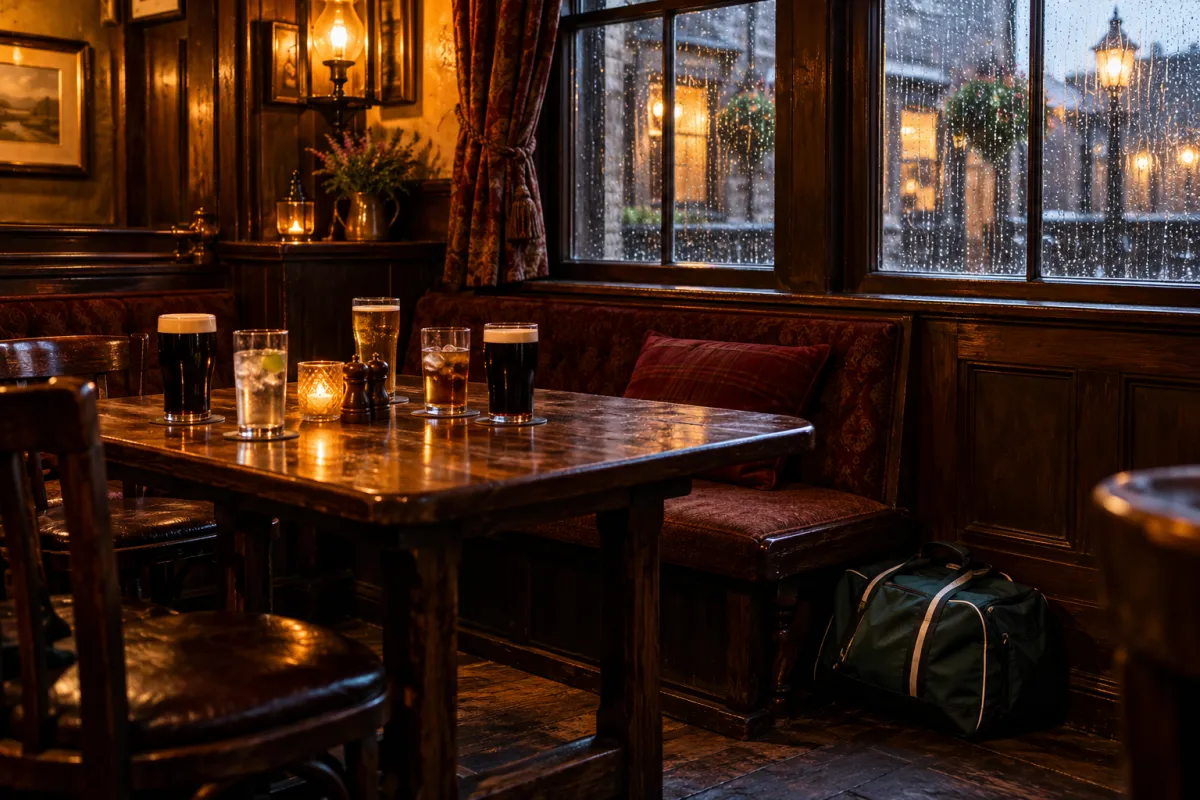
- The post-match drink is the real fixture. Most social leagues end up in a nearby pub. You do not have to drink alcohol. Soft drinks are completely normal, and nobody will make a fuss. What matters is showing up.
- Rounds are a thing. If you are in a small group and someone buys a round, you are expected to buy one too. If you would rather not, say early that you are getting your own, and that is fine.
- Slagging is affection. Gentle teasing about your dropped pass or your accent is a sign you are being included. Give a bit back, but keep it light.
- “We should meet up” is sometimes just politeness. Dubliners are warm, and they also say friendly things they do not always follow up. If you want a plan to happen, suggest a specific time and place.
- Consistency beats charisma. Being reliable, the person who shows up in the rain, counts for more than being the life of the party.
- The weather is not an excuse. Matches go ahead in drizzle. Bring layers and do not cancel at the first grey sky.
Turning teammates into friends
Be honest with yourself about the timeline. By the end of your first season you will have a group of friendly faces and a few people you chat with properly. Real friendships usually take longer: a second season, a few plans outside the league, and some effort on your part. That is normal, and it does not mean you are doing it wrong.
The jump from teammate to friend nearly always happens away from the pitch. Pick one or two people you click with and suggest something small and specific: a coffee at the weekend, a walk along the coast, or watching a big rugby match together. My guide on how to turn acquaintances into friends breaks this into steps. If the asking part feels awkward, these scripts for asking someone to hang out as a friend take the guesswork out of the message.
A few things that work especially well with sports friends:
- Organise a team meal at the end of the season, so the group has a reason to meet without a match.
- Suggest signing up together for the next season or a different sport.
- Invite one teammate to something you are already doing, such as a market, a gig or a hike.
Meeting someone new one-to-one? Keep the first few meet-ups in public places, tell a friend where you are going, make your own way there and home, and leave whenever you feel uncomfortable. Good friendships survive a sensible first coffee.
Moving on? Berlin and Prague
Plenty of readers do a stint in Dublin and then move on, so here is how the same approach travels. If you have ever typed “is it hard to make friends in Berlin” into a search bar, you are not alone. The city has a reputation for being reserved, and regular activities matter even more there. The Berlin expat community is big and organised around clubs, sport and shared interests, and my guide on how to make friends in Berlin covers where to start.
Prague works on a smaller, cosier scale. Instead of rugby pitches, you will find a lot of newcomers bonding over pub quizzes and board game nights. Prague’s café culture suits tabletop games well, and the format is very similar to a league: the same table, the same people, every week. See the Prague expat community guide for groups and meetups.
Want to turn this into an actual plan? MeetNow is a free app for meeting people in person: a host posts a plan at a public place, says who pays (host pays, split, pay your own or free) and picks who joins. It is live on the web and works in your browser, starting in Malta; the phone apps are not in the App Store or Google Play yet. Open MeetNow and see the plans posted in Malta.
FAQ
Do I need a team to join a social sports league in Dublin?
No. Tag rugby leagues accept individual sign-ups, and solo players are placed on a house panel with other people who registered alone. For newcomers this is often the best option, because everyone on the panel is open to meeting new people.
Is tag rugby suitable if I have never played rugby?
Yes. Tag rugby is strictly non-contact, and tackles are replaced by pulling a velcro tag from the ball carrier’s shorts. The rules are simple to pick up within a match or two, and social leagues are relaxed about beginners.
What should I wear to tag rugby?
You need approved tag rugby shorts without pockets and with velcro patches on each hip, plus suitable footwear such as moulded multi-stud boots. Bring layers for the sideline and a dry top for the social afterwards.
How long does it take to make friends through a sports league?
Expect friendly faces within the first season and closer friendships after a second season or a few plans outside the league. Showing up every week and suggesting small, specific meet-ups with teammates speeds things up.
Do I have to drink alcohol at the post-match pub?
No. Soft drinks are completely normal in Dublin pubs, and nobody will make a fuss. What matters is coming along. If you are in a small group, either join the round system or say early that you are getting your own.
Are there social sports options in Dublin besides tag rugby?
Yes. Gaelic games clubs, running clubs, five-a-side football and other social league formats are all options. Choose something that repeats weekly, is easy to reach and has time to talk built in.