If you are wondering how to make friends in Spain as a foreigner, here is the honest version: Spaniards are usually warm, sociable and easy to talk to, but their close friendships tend to be formed early and kept for life, so the friendly chat at the bar does not automatically turn into an invitation. The way in is repetition and rhythm. Join two or three things that meet every week, learn enough Spanish to follow a table of conversation, adapt to the late timetable, and be the person who suggests the next plan. Below is a 90-day plan, the norms worth knowing (from two kisses to who pays the round), and what the first months actually feel like.
Are Spanish people friendly to foreigners?
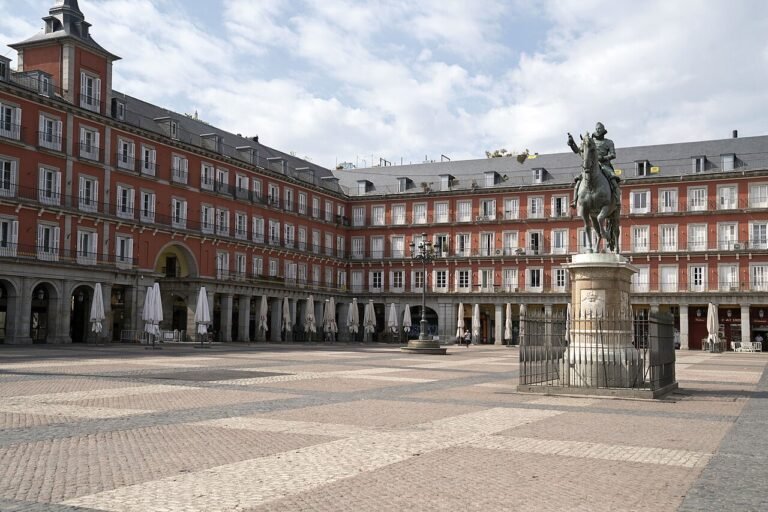
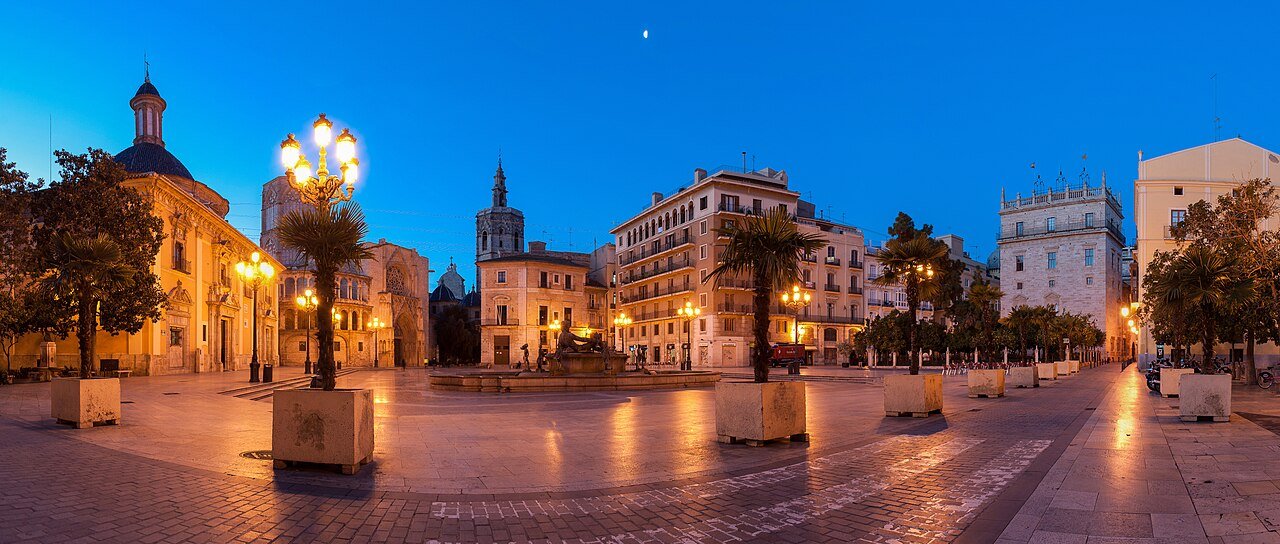
In everyday life, yes. Most newcomers find it easy to strike up conversations in Spain: with neighbours, in the queue at the market, with the waiter who remembers your order after the third visit. Spanish cities also do well with expats overall: Valencia came first in InterNations’ Expat Insider city ranking in 2022, and Málaga and Alicante have also placed near the top in recent editions. Public life happens outside, on terraces, in plazas and in bars, which means there are simply more chances to be around people than in many northern European countries.
The catch is the step from friendly to friends. Many Spaniards live in or near the city where they grew up, and their social life is built around a long-standing group of friends from school, the neighbourhood or university, plus family. Those groups are not hostile to newcomers, but they are already full, and plans are often made inside a group chat you are not in yet. Expats who report feeling stuck in Spain rarely describe unfriendliness; they describe being liked by everyone and invited by nobody.
Two things change that quickly: speaking Spanish (or the regional language) well enough to keep up when a table switches to fast, overlapping conversation, and showing up to the same place often enough that people stop treating you as a visitor.
How to make friends in Spain: what it actually feels like
For many newcomers the first month in Spain is easy and fun. People are welcoming, there is a language exchange most nights of the week, and you have more conversations with strangers than you would in a year back home. Then, often around week six, comes a wall: you know dozens of people by name but cannot think of one you could message on a Sunday to say “fancy a walk?”. Sundays are often the hardest, because they are family day: the city fills with three-generation lunches and you are not at any of them.
What gets people past that wall is boringly simple. Swap one-off events for two weekly things with the same people, such as a running group and a Spanish class. Say yes to every “nos tomamos algo después?” (shall we grab a drink after?), even when you are tired. And start proposing plans yourself instead of waiting to be invited. Newcomers who stick with this for three months often end up with a small mixed group of Spanish and international friends, and sometimes a first invitation to a family lunch.
If you recognise that week-six wall, you are not doing anything wrong. It is the normal shape of the first 90 days in a new country, which we cover in more depth in our week-by-week plan for the first 90 days abroad.
Spanish friendship norms worth knowing
Country-norms box: Spain
- Greetings. Two kisses on the cheek (dos besos, right cheek first) is the standard greeting between women, and between men and women, even on first meeting in social settings. Men usually shake hands or hug. In work settings a handshake is safer.
- The timetable. Lunch is typically between 14:00 and 16:00, dinner from about 21:00, and going out for drinks after dinner is normal. Arriving for dinner at 19:00 means eating alone in an empty restaurant. Shift your social clock rather than fighting it.
- Quedar. “Quedar” means to arrange to meet. Plans are often made loosely and confirmed late, and arriving ten or fifteen minutes after the agreed time is common among friends. Do not read a late confirmation as lack of interest.
- Who pays. Two patterns dominate. With rounds, one person says “te invito” or “esta la pago yo” and pays for everyone; someone else gets the next one. With bigger groups and meals the bill is often split equally (pagar a escote) rather than item by item. Offering to pay your share, or the next round, matters more than the exact amount.
- The friend group. Long-standing friend groups go by different names around the country; in the Basque Country and Navarre the cuadrilla is a fixed group of friends that often dates from childhood. Joining one takes time, so build your own mixed group alongside.
- Weekends and summer. Sundays are often for family, and in August many people leave the big cities for the coast or their home town. Do your social groundwork from September to June.
- Language. Spanish is essential, and in Catalonia, Valencia, the Balearics, Galicia and the Basque Country a few words of the regional language are appreciated, even if conversations happen in Spanish.
None of this is a rulebook. Spain is large and varied, people in Madrid and in a small Andalusian town behave differently, and plenty of Spaniards in big cities have international friend groups. Treat these as patterns to recognise, not stereotypes to apply.
Weeks 1–2: routines and first contacts
The first two weeks are about building a routine that puts you in the same places as the same people. Choose a regular café or bar near your flat and go at the same time several days a week. Use the local market rather than the supermarket for some of your shopping. Say hello to neighbours and the portero (building caretaker) if there is one. These micro-contacts are not friendships, but they make the city feel like yours, and they compound.
At the same time, sign up for structured things before you feel ready. A Spanish course with fixed classmates is the single best investment: it gives you the language and a ready-made group of other newcomers. Look for municipal cultural centres too; many cities run inexpensive courses and activities through neighbourhood centres, such as the centres cívics in Barcelona.

Checklist: weeks 1–2
- Pick a regular café and go at least three times a week.
- Book a Spanish course with a fixed group, not just an app.
- Find your neighbourhood’s cultural centre and check its course list.
- Go to one language exchange (intercambio).
- Move your dinner time later by an hour.
Weeks 3–6: repeatable groups
This is the phase where you trade novelty for repetition. One-off meetups are fine for the first fortnight, but friendships in Spain, as anywhere, form between people who see each other regularly. Pick two groups that meet every week and commit to them for six weeks, whatever your mood.
Options that work well in Spanish cities:
- Language exchanges (intercambios). Weekly bar-based exchanges are a reliable way to meet Spaniards who actively want to talk to foreigners. Our guide to language exchanges in Madrid lists how they run.
- Sport. Padel is hugely popular in Spain and is played in fours, which makes it naturally social. Running groups, five-a-side football and climbing gyms also have regular crowds.
- Hiking clubs. Many cities have mountain or hiking clubs (clubs de montaña) that run weekend excursions. A day on a bus and a trail is a fast way to get to know people.
- Volunteering. Food banks, animal shelters and neighbourhood associations need regular volunteers and give you a shared purpose with locals.
- Choirs, dance classes and crafts. Salsa, flamenco and swing classes in particular mix locals and foreigners.
When you first meet people from these groups, meet in public places such as the bar after training or a café, tell someone where you are going, sort out your own way home, and leave if anything feels off. That is good practice anywhere.

Checklist: weeks 3–6
- Commit to two weekly groups for six weeks.
- Stay for the drink or coffee afterwards every time.
- Learn three names per session and use them the next week.
- Get added to at least one group chat.
Weeks 7–12: from acquaintances to friends
By now you should know people by name. The job in this phase is to move from “people I see at the group” to “people I see outside the group”. In Spain that step is often smaller than it sounds, because inviting people for a caña (small beer) or a vermut before lunch is everyday behaviour, not a big ask.
Make specific suggestions with a day, a time and a place: “Vamos a por unas cañas el sábado a las 13:00 en la plaza?” Specific plans get yeses; “we should meet up sometime” does not. Host something small, such as tapas at a bar near you where everyone pays their own, or a dinner at home where people bring something. Say clearly how the bill will work before people arrive.
Mix your international friends and your Spanish acquaintances when you can. Spaniards often bring friends along to plans, and if you do the same your circles start to merge. One introduction from a Spanish friend (“this is my friend from running”) does more for your place in a group than months of being the foreigner who turns up alone.
Checklist: weeks 7–12
- Suggest one specific plan per week to someone from your groups.
- Host one small thing (tapas, a walk, a home dinner).
- Accept every family or friend-group invitation you get, even if it is late.
- Bring one friend from one circle to a plan with another.
Madrid, Barcelona, Valencia and beyond
Where you live changes the experience a lot. Madrid has a huge population of people from elsewhere in Spain, which makes it more open to newcomers than its size suggests; our guide to making friends in Madrid lists specific groups. Barcelona has a very large international community, which is great for quick connections but makes it easy to stay in an expat bubble; learning some Catalan helps you step out of it. Our guide to meeting people in Barcelona covers the main options. Valencia is smaller, slower and often described as friendlier for newcomers; see our overview of the Valencia expat community.
On the southern coast, Málaga and the towns around it have large, long-established international communities, which makes finding English speakers easy and finding Spanish friends a matter of choice: join the local sports club or the neighbourhood association rather than only the expat groups. Seville, Granada and other Andalusian cities have a strong street and bar culture, a big student population and a social calendar built around local fiestas, which gives newcomers plenty of chances to be around people.
In smaller cities and towns, there are fewer organised expat groups, but local associations, sports clubs and fiestas carry much more weight. Joining a local club or volunteering for the town festival committee can open doors faster than anything in a big city.
Mistakes that slow foreigners down
Newcomers who struggle socially in Spain often make one of the same handful of mistakes. None of them is about personality; all of them are fixable.
- Staying in English. It is comfortable to stay in an English-speaking bubble, and in the big cities you can. But it caps the number of Spaniards who can comfortably include you, and it keeps you as “the guiri” at the table. Even halting Spanish changes how people treat you.
- Treating invitations as polite noise. When someone says “you should come to the barbecue on Saturday”, they often mean it. Ask for the time and place and turn up.
- Going home too early. Many good conversations happen at the second bar or after dessert, at the sobremesa, the long chat that follows a meal. Leaving straight after eating means missing the part where people relax.
- Waiting to be invited into the group chat. Ask: “Me metes en el grupo?” (Will you add me to the group?). People rarely mind.
- Splitting the bill to the cent. Insisting on paying exactly for what you had can come across as stingy among friends. Split equally, or take the next round.
- Measuring progress week to week. Friendships here build over months. Judge yourself on how many weekly groups you show up to, not on how many invitations you received this week.
If you are feeling the isolation more than the excitement, that is common in the first months too; our guide to moving abroad alone covers the emotional side of the first year, from the honeymoon phase to the dip that usually follows.
Your next step
Pick your two weekly groups before the end of this week: one language-based (a course or an intercambio) and one activity-based (sport, hiking, a class). Put them in your calendar for the next six weeks and treat them as fixed. Then, the first time someone says “nos tomamos algo?”, say yes.
Spending time in Malta? MeetNow is a free app for meeting people in person: a host posts a plan at a public place, says who pays (host pays, split, pay your own or free) and picks who joins. It is live on the web and works in your browser, starting in Malta, so plans are there for now rather than in Spain. Open MeetNow to see how it works.
Frequently asked questions (FAQ)
Is it hard to make friends in Spain as a foreigner?
Meeting people in Spain is easy; turning them into close friends takes longer, because many Spaniards already have long-standing friend groups and family commitments. Most newcomers find it gets much easier once they speak Spanish confidently and join groups that meet every week.
Do I need to speak Spanish to make friends in Spain?
You can make international friends in English, especially in Madrid, Barcelona and Valencia. To make Spanish friends, you need enough Spanish to follow a group conversation. A course with a fixed class plus a weekly language exchange is the fastest route.
Where do expats meet people in Spain?
Language exchanges, Spanish courses, sports such as padel and running, hiking clubs, volunteering, dance classes and municipal cultural centres. Regular groups work better than one-off events because you see the same people every week.
Who pays when you go out with friends in Spain?
Rounds are common: one person pays for everyone’s drinks and someone else takes the next round. For meals and big groups, splitting the bill equally is usual. Offer to pay your share or the next round and you will be fine.
How long does it take to make friends in Spain?
Expect a few weeks to build acquaintances and around three months of regular contact before you have people you can call friends. Close friendships with Spaniards often take longer, especially outside the big cities.
Why do Spanish people eat so late?
Spain’s daily rhythm runs later than most of Europe: lunch is the main meal, often between 14:00 and 16:00, and dinner commonly starts around 21:00 or later. Adjusting your own timetable makes it much easier to join social plans.