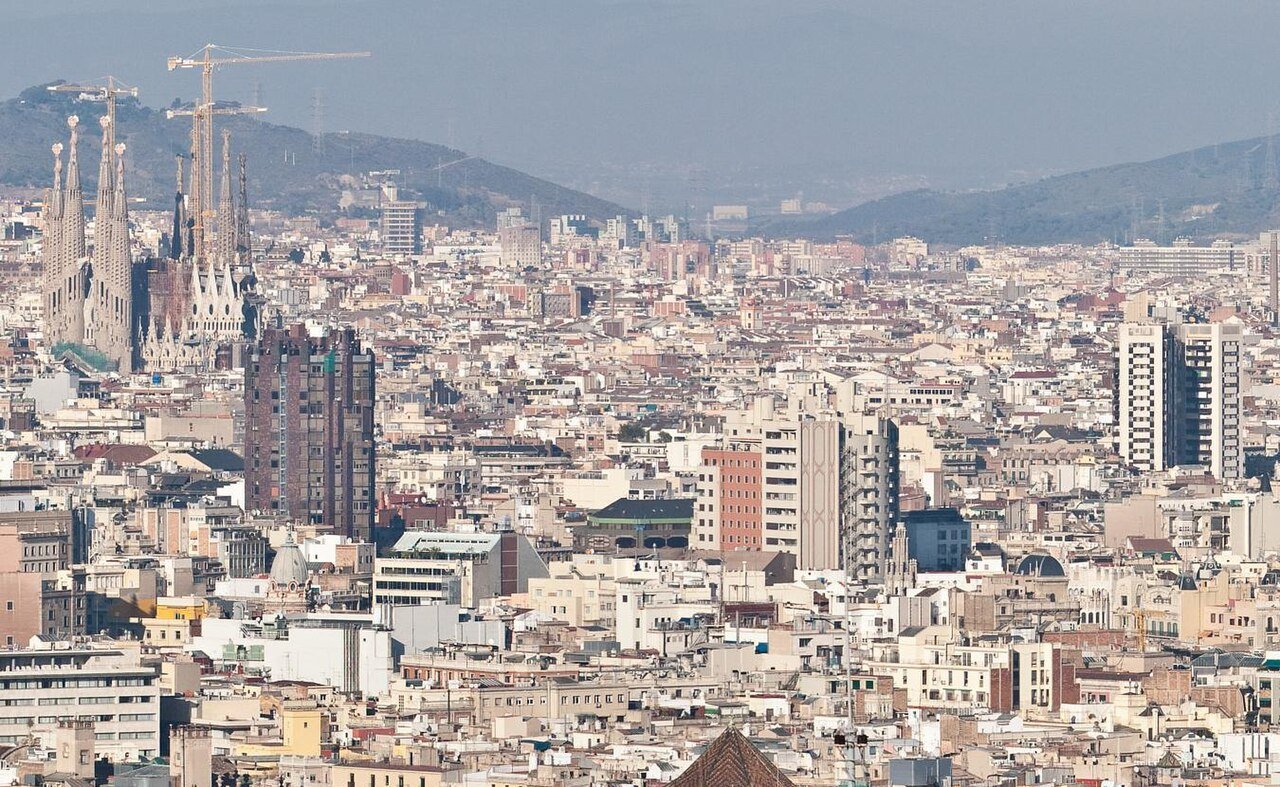
If you are arriving as a digital nomad in Barcelona, the short answer is this: the city has one of the biggest remote-worker scenes in Europe, but friendships come from repetition rather than from any single meetup.
The digital nomad Barcelona community is spread thin across coworking spaces, WhatsApp groups and one-off events. Pick one neighbourhood, one coworking or café base, one recurring community event and one non-work activity, then go back to the same places every week for a month. This 2026 guide shows where nomads actually gather, how the main communities work, a weekly social plan you can copy, the visa pointers worth knowing and how to stay safe while you meet new people.
The most common first-month mistake is saying yes to everything once and nothing twice. Barcelona punishes that habit more than most cities, because so many people pass through. The people who stay for six months or more tend to find each other in the same handful of places, and this guide is about getting into those circles quickly.
What the digital nomad Barcelona scene is like in 2026
Barcelona attracts remote workers for obvious reasons: the sea, a mild winter, good flight connections and a startup ecosystem that keeps coworking spaces busy all year. The flip side is churn. Many nomads stay for a few weeks, so groups form and dissolve constantly, and a WhatsApp community that felt lively in June can be quiet by October.
Three things shape digital nomad Barcelona social life:
- The city runs late. Lunch is often after 14:00 and dinner after 21:00. Evening events at coworking spaces usually start around 18:30 or 19:00 and roll on into dinner if people click.
- Two local languages. Catalan and Spanish are both official. You will get by in English inside the nomad bubble, but friendships with locals go faster if you make even a clumsy effort in either.
- Neighbourhood life matters. Barcelona is a city of barris, each with its own squares, markets and festa major. Living in one area and becoming a regular there does more for your social life than criss-crossing the city for events.
The honest truth is that it takes most people four to eight weeks to go from “I know some faces” to “I have people I can text on a Sunday”. That is normal, and it is the same pattern described in our main guide to making friends while travelling solo.
Where nomads live and work: neighbourhoods compared
Where you sleep decides who you bump into. These are the areas remote workers most often choose, and what each one means for your social life rather than your rent.
| Neighbourhood | Social feel | Good for | Watch out for |
|---|---|---|---|
| Gràcia | Village-like squares, terraces, small bars, strong local identity | Becoming a regular, meeting locals and long-stay foreigners | Noise on summer nights; the Festa Major in August is busy |
| Poblenou (22@) | Former industrial district turned tech hub, near the beach | Coworking events, startup crowd, beach sport after work | Quieter evenings away from the Rambla del Poblenou |
| El Born and Ciutat Vella | Medieval streets, bars and restaurants, lots of visitors | Walking everywhere, evening plans | Tourist crowds and pickpocketing hotspots |
| Sant Antoni | Market neighbourhood with a lively food and café scene | Brunch-and-work routines, weekend markets | Popular streets fill quickly at weekends |
| Eixample | Central grid, well connected, more residential | Easy access to every event in the city | Less of a single “scene” to plug into |
If you are still deciding where to live, our guide to coliving in Barcelona for digital nomads covers prices, contracts and the questions to ask before you book. A coliving house can be the fastest shortcut to a social circle in your first month, provided you pick one where people actually cook and go out together.

Coworking as a social tool, not just a desk
For most nomads, the coworking space is where the first real friendships start. Not because people are chatty at their desks (they mostly are not) but because the good spaces run a programme of after-work drinks, talks and lunches that give you a reason to stay after 18:00.
A few examples of how this looks in practice in 2026:
- Itnig in Poblenou runs a coworking space alongside a community of founders and builders, and lists free networking-and-drinks evenings on its events page (one ran on 11 June 2026, 18:30 to 21:30, with registration required).
- Talent Garden Barcelona, also in Poblenou, ran a free La Mercè open house from 21 to 23 September 2026, with open coworking and after-work socials; open days like this are the cheapest way to see whether a space has a community you like.
- OneCoWork operates several Barcelona locations and promotes regular community and networking events for members.
Spaces, prices and programmes change often, so check each space’s own site. Use these rules when you choose:
- Ask about the events calendar before the price. A space with a weekly community lunch or monthly drinks is worth more socially than a cheaper, silent one.
- Buy a day pass first. Go on the day of an event, not a random Tuesday.
- Use the kitchen. Eat lunch at the shared table instead of at your laptop. This one habit often does more than any networking event.
- Join the member chat. Most spaces have a Slack, WhatsApp or app channel where people post “anyone for lunch?” and weekend plans.
Nomad meetups and online communities
The Barcelona nomad world lives largely on Meetup, Luma and WhatsApp. The names change often, so treat everything below as a starting point and check the current listing before you go.
| Community | What it is | How meetups work | Cost | Where to check |
|---|---|---|---|---|
| Barcelona Digital Nomads (BDN) | Large nomad and entrepreneur community; its Meetup group lists more than 15,000 members | Weekly networking meetups, afterwork drinks, coworking days and dinners, plus a WhatsApp community | Many events free; some (dinners, coworking day passes) paid | Meetup group page |
| Nomads.com meetups | Informal meetups posted by members of the nomad platform | One-off drinks or walks; attendance varies a lot | Usually you pay your own drinks | Barcelona meetups list |
| Coworking events | Talks, drinks and open days at coworking spaces | Evening events, often open to non-members | Often free, sometimes ticketed | Each space’s events page |
| Language exchanges | Weekly intercambios in bars and cafés | Rotating conversation in Spanish, English and other languages | Usually free, you buy a drink | See our language exchange guide |
Last checked October 2026. Groups rename, merge and close often; confirm the date and venue on the listing before you go.
A word on WhatsApp groups: they are useful for finding plans but terrible for building friendships. Big groups get noisy fast, and many become channels for promoting paid events. Use them to find a time and place, then make sure the real conversation happens in person. Some listings also advertise separate paid “business networking” groups; check which one you are joining.
Your first nomad meetup: what to expect
Most nomad meetups in Barcelona follow the same shape: a bar terrace or rooftop, name stickers or none at all, and a crowd that is half newcomers and half regulars. The first twenty minutes are the hardest. Arrive close to the start time, when groups have not formed yet, and use the easiest opener there is: “How long have you been in Barcelona?” Everyone has an answer, and it leads naturally to work, neighbourhoods and plans. Do not try to talk to everyone. Two good conversations and one swapped number is a successful night. If you hated it, try a different format next week rather than giving up on meetups altogether; a coworking lunch or a language exchange suits quieter people much better than a loud networking night.
Beyond other nomads: locals, language and sport
If every friend you make is also leaving in six weeks, you will start the whole process again every month. The nomads who settle happily in Barcelona usually build a second circle outside the remote-work bubble.
Language exchanges
Intercambios are the easiest bridge to locals and long-term residents. They are weekly, mostly free and naturally social, because the format forces you to talk to strangers. Our guide to weekly language exchanges in Barcelona lists verified venues and what a first night is like.
Sport and outdoor groups
Beach volleyball at Barceloneta and Bogatell, running groups along the seafront, hiking trips to Collserola and Montserrat and climbing gyms all produce the “same faces every week” effect that turns acquaintances into friends. The general groups and clubs we found are listed in our guide on how to meet people in Barcelona.
Neighbourhood life
Your local market, your morning café and the square where you sit in the evening matter more than you think. Being recognised by the person behind the counter is the first step in feeling at home, and it is often how you hear about the barri’s own events, from the Festa Major de Gràcia in August to smaller neighbourhood festivals through the year.

A digital nomad Barcelona weekly social plan
Here is a simple structure for a first month as a digital nomad in Barcelona. It assumes a normal working week and leaves two evenings free so you do not burn out.
| Day | Daytime | Evening | Goal |
|---|---|---|---|
| Monday | Work from your coworking base, eat lunch at the shared table | Free: cook, rest, call home | Be seen as a regular at the space |
| Tuesday | Work | Weekly language exchange | Meet locals and long-term residents |
| Wednesday | Coworking day with a nomad community, if one is on | Coworking event or nomad networking meetup | Swap numbers with two people |
| Thursday | Work from a café in your neighbourhood | Sport: running group, volleyball or climbing | Build a non-work circle |
| Friday | Short day | Free, or follow up with someone from the week | Turn one contact into a plan |
| Saturday | Market, then a walk or beach | Dinner with people you met (you host or suggest) | Move from group to small group |
| Sunday | Hike or day trip with a group | Rest | Shared experience, long conversations |
The step most people skip is Saturday. Going to events is passive; suggesting a small plan (“I’m getting tapas in Gràcia on Saturday, want to come?”) is where friendships actually start. Keep it simple, say who pays up front (splitting the bill is normal among nomads), and pick a busy public place.
If you have already done this in Portugal, the rhythm will feel familiar: compare it with our digital nomad Lisbon guide, where the scene is smaller but tighter.
Visa and paperwork pointers
This is not legal advice, just where to look. EU, EEA and Swiss citizens can live and work remotely in Spain without a visa, although stays beyond three months bring registration requirements. Non-EU remote workers usually look at Spain’s international teleworking residence permit, commonly called the digital nomad visa.
- It is for third-country nationals working remotely for companies or clients mainly outside Spain.
- Spanish official guidance sets the minimum income at 200% of Spain’s minimum wage (salario mínimo interprofesional), which changes each year, so check the current figure rather than trusting old blog posts.
- Applying from a Spanish consulate gives a visa of up to one year; applying from inside Spain while legally resident can lead to a residence permit of up to three years.
Start with the Spanish Ministry of Foreign Affairs consular page on the teleworking visa and the Ministry of Inclusion’s FAQ for digital nomads (in Spanish, on the Unidad de Grandes Empresas site). Requirements and fees vary by the consulate where you apply.
Safety box: meeting people and keeping your laptop
Women travelling alone may also want our guide to solo female travel safety in Europe, which covers nights out, accommodation and transport.
Turning repeat faces into real friends
Everything above gets you in the room. What turns it into friendship is follow-up within a few days, and moving from big groups to small plans. A pattern that works:
- Week 1: go to three things and swap contacts with anyone you enjoyed talking to.
- Week 2: go back to the same things. Being a familiar face is half the battle.
- Week 3: suggest one small plan: lunch, a hike, a market visit. Two to five people is ideal.
- Week 4: host something low-effort: drinks on a terrace, a picnic at the beach, a board game night in a café.
Being a digital nomad in Barcelona does not have to mean a rotating cast of strangers. Be honest that you are new and want to meet people. In a city full of newcomers, almost nobody finds that strange, and many people are quietly hoping someone else will take the first step.
Want to turn this into an actual plan? MeetNow is a free app for meeting people in person: a host posts a plan at a public place, says who pays (host pays, split, pay your own or free) and picks who joins. It works in your browser and is starting in Malta, so there are no Barcelona plans on it yet; if you are in Malta, Open MeetNow and see the plans there. (MeetNow is our own app.)
Frequently asked questions (FAQ)
Is Barcelona good for digital nomads who want to make friends?
Yes, if you stay long enough. The community is large and active, with coworking events, nomad meetups and weekly language exchanges, but high turnover means you need to keep showing up. Most people find their circle within one to two months of regular attendance.
Where do digital nomads hang out in Barcelona?
Mostly in coworking spaces in Poblenou, Gràcia and the centre, at nomad and entrepreneur meetups listed on Meetup and Luma, at weekly language exchanges, and around beach sport at Barceloneta and Bogatell. Gràcia’s squares are popular for evening drinks.
Which neighbourhood is best for meeting people?
Gràcia suits people who want a village feel and to become regulars, Poblenou suits people who want coworking events and the beach, and El Born suits people who want everything within walking distance. Pick one and commit to being a regular there.
Do I need to speak Spanish or Catalan?
Not to find other nomads, since the community runs mainly in English. To make local friends and feel at home, basic Spanish helps a lot, and a few words of Catalan are appreciated. Language exchanges are a good way to practise both.
Does Spain have a digital nomad visa?
Yes. Spain offers an international teleworking residence permit for non-EU remote workers, with an income requirement linked to 200% of the national minimum wage. Check the current figures on official Spanish government pages before applying.