The short answer: the Madrid expat community is large, friendly and spread across many small groups rather than one big club. The quickest ways in are an international network like InterNations, English-speaking clubs such as Toastmasters, social running with the Madrid Hash House Harriers, weekend hiking groups and the city’s many language exchanges. Pick one network for meeting people fast and one weekly activity for seeing the same faces, and within a month Madrid starts to feel a lot smaller.
When I first visited a friend who’d moved to Madrid, I was struck by how late and how outdoors everything happened. Friends met on terraces at ten at night, and Sunday was for long lunches. The city is easy to love and, once you know where to look, surprisingly easy to meet people in. This guide is the list I’d give a friend arriving next month.
The Madrid expat community at a glance
| Group | What it is | When | Cost | Link |
|---|---|---|---|---|
| InterNations Madrid | International network with regular socials and interest groups | Several events a month | Free basic membership; event fees vary; paid membership available | internations.org |
| Madrid Toastmasters Club | English-speaking public speaking club | 1st, 3rd and 5th Wednesday of the month, 20:00 | Contact the club before visiting; membership fees apply | toastmastersmadrid.com |
| Madrid Hash House Harriers | Social running and walking club with drinks afterwards | Weekly runs; see the site for dates and directions | Check the site | madridhhh.com |
| Meetup groups | Expat, hiking, board games, language and social groups | Varies by group | Often free; some ask for a small fee | meetup.com |
| Language exchanges | Bar and café nights mixing Spanish and English speakers | Most nights of the week across the city | Usually free; buy a drink | See our Madrid exchange guide |
Last checked: November 2026. Groups change schedules and venues; always confirm on their own page before you go.
Expat networks and online groups
InterNations Madrid
InterNations is the biggest international network in most European capitals, and its Madrid community hosts regular socials, after-work events and smaller interest groups. It’s a good way to meet a lot of people in your first weeks. Basic membership is free, with event fees for some gatherings and a paid tier that gives more access. Whether that’s worth it depends on how often you’ll go; our honest review of whether InterNations is worth it breaks down the trade-offs.
Meetup
Madrid has a wide range of Meetup groups: expat socials, hiking, photography, board games, tech and plenty of language exchanges. Look for groups with recent events and named organisers, and RSVP to something small rather than the biggest party on the list.
Facebook and WhatsApp groups
Online groups are the place to ask practical questions, from flat hunting to finding an English-speaking dentist, and they often share events. Treat them as a noticeboard rather than a social life, and be cautious with anyone selling flats or services before you’ve seen them in person.

English-speaking clubs
Madrid Toastmasters Club
Toastmasters clubs are built around structured speaking practice, but they’re also excellent for friendship: the same people two or three times a month and a clear role for everyone. The Madrid Toastmasters Club describes itself as an English-speaking club and meets on the first, third and fifth Wednesday of each month at 20:00. Guests are asked to get in touch before attending, and the club’s site mentions sending guests login details for a videoconference, so ask whether the next meeting is online or in person.
Book clubs, quiz nights and volunteering
Madrid’s English-speaking bars and bookshops run quiz nights and book clubs, and several organisations welcome foreign volunteers. These come and go, so check Meetup and local expat groups for current ones. Volunteering is especially good for meeting Spanish people, because you’re working alongside locals on something that matters.
Sport, running and hiking
Madrid Hash House Harriers
The Hash House Harriers are an international network of social running clubs, and the Madrid group meets weekly to follow a non-competitive trail, then socialise. You don’t need to be fast; walkers are welcome at most hashes. Check the club’s site for upcoming run dates and directions before your first one.
Hiking in the Sierra de Guadarrama
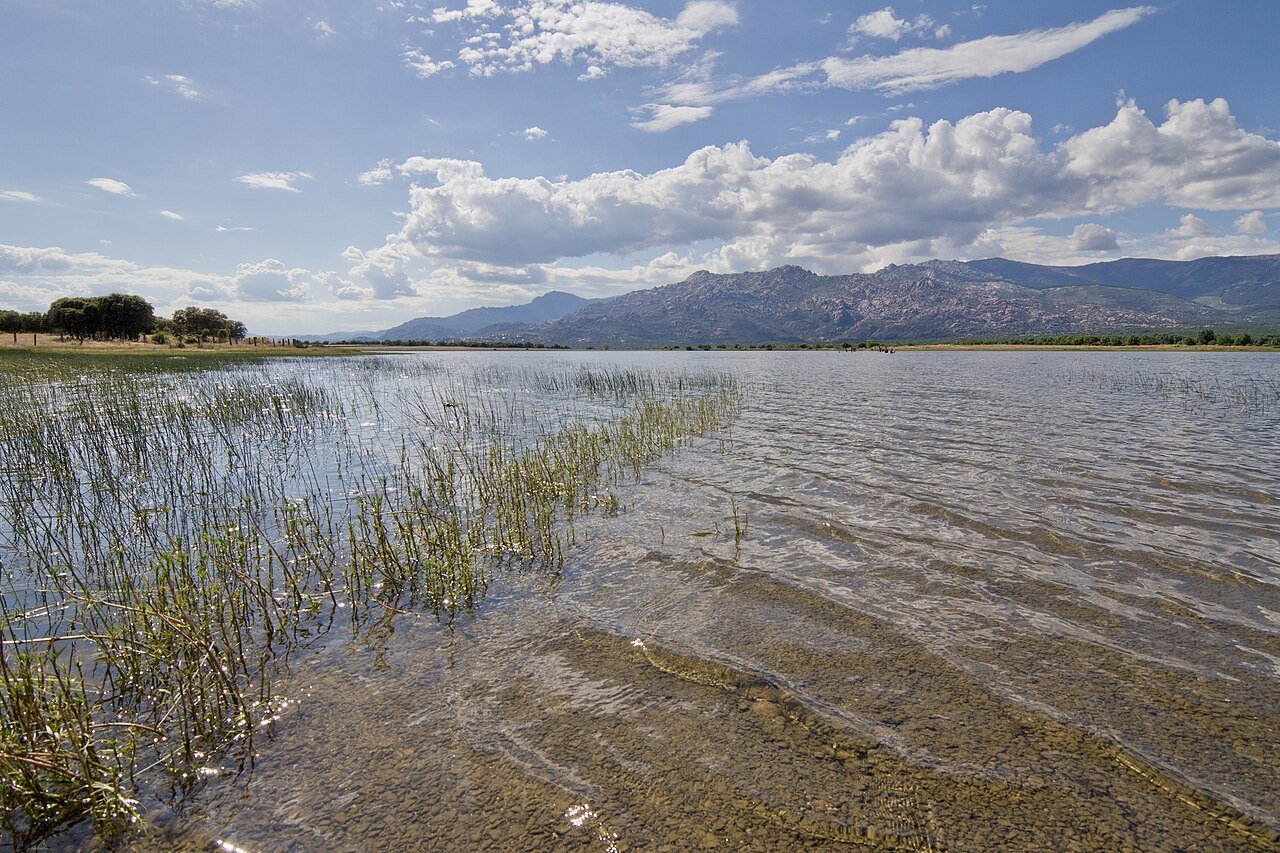
One of the best things about living in Madrid is how close the mountains are. Weekend hiking groups, many with English-speaking members, head out to the Sierra de Guadarrama and La Pedriza, and a long day on the trail is one of the quickest ways to get to know people. Our guide to English-speaking hiking groups in Madrid lists the ones worth trying.
Team sports and gyms
Five-a-side football, padel, running clubs and climbing gyms all have regular sessions. Ask at your gym or check Meetup for social leagues. A team that plays every week does more for your social life than any one-off party.
Language exchanges
Language exchanges, or intercambios, are a big part of the Madrid expat community and the easiest bridge to Spanish friends. Typically held in bars, they pair or group Spanish speakers with people learning Spanish, switching languages through the evening. Many run every week, so you can become a regular quickly. For specific nights and how they work, see our guide to language exchanges in Madrid.
Local norms box
- Late timings: Madrid eats and goes out late. Dinner plans often start around 9pm or later, and weekend lunches can run well into the afternoon.
- Terraces: socialising happens outdoors for much of the year, so a terraza is the default meeting place.
- Greetings: two kisses on the cheek are common among friends and in social settings; a handshake is fine in work contexts.
- Plans can be loose: invitations are often last-minute. Say yes when you can, and don’t take a late change of plan personally.
- Effort with Spanish counts: even simple phrases are appreciated and open doors to local friendships.
Your first month in the Madrid expat community
| Week | What to do |
|---|---|
| 1 | Join InterNations and two active Meetup groups. Go to one language exchange. |
| 2 | Go back to the same exchange. Try one sport: a hash run, five-a-side or a climbing session. |
| 3 | Do a weekend hike with a group. Invite one person you’ve met twice for a coffee or a caña. |
| 4 | Organise a small plan: a terrace evening or a Sunday lunch for three or four people. |
A note on timing: September and January are the busiest months for newcomers, so groups are full of people in the same position as you. Summer is quieter, especially August, when many Madrileños leave the city and some groups pause. If you arrive in summer, lean on hiking, outdoor sport and online groups until things pick up again.
Keep the repeats going and by your second month you’ll have regulars to see each week. If you’d like a wider view of the city beyond the expat scene, our guide on how to make friends in Madrid covers neighbourhoods, classes and local clubs in more depth. Thinking about the coast instead? Here’s how to meet people in Valencia.

What it actually feels like
Madrid is sociable, but the first weeks can still feel lonely, especially if your days are spent working remotely or teaching English to strangers. Most expats I know say the turning point was the first group they went to every single week: the same run, the same exchange, the same Wednesday club. Familiar faces turned into friends faster than they expected.
Want to turn this into an actual plan? MeetNow is a free app for meeting people in person: a host posts a plan at a public place, says who pays (host pays, split, pay your own or free) and picks who joins. It is live on the web now, starting in Malta: open MeetNow in your browser and see the plans posted in Malta. (MeetNow is our own app.)
Safety note: when you meet people from online groups, choose a busy public place, tell a friend where you’re going, sort your own way home and leave if anything feels off.
Frequently asked questions (FAQ)
Is there a big expat community in Madrid?
Yes. Madrid is a large international capital with students, professionals, English teachers and remote workers from all over the world, and it has active expat networks, English-speaking clubs and many language exchanges.
What is the best way to join the Madrid expat community?
Combine one network for meeting people quickly, such as InterNations or Meetup groups, with one weekly activity like a running club, Toastmasters or a language exchange, and go to the same thing several weeks in a row.
Do I need to speak Spanish to make friends in Madrid?
Not to start. Many expat groups use English. But learning Spanish, even at a basic level, makes it much easier to make local friends and feel at home, and language exchanges help with both.
Where do expats live in Madrid?
Expats live all over the city. Central neighbourhoods such as Malasaña, Chueca, Lavapiés and La Latina are popular for social life, while families often choose quieter residential areas. Choose based on budget, commute and lifestyle.
Are expat events in Madrid free?
Some are and some are not. Many language exchanges and Meetup groups are free or ask you to buy a drink, while networks like InterNations and some clubs charge for events or membership. Check each group’s own page before going.
Is it hard to make Spanish friends in Madrid?
Madrileños are generally sociable, but many have long-standing friend groups. Shared activities, a sports team, a class or a regular language exchange are the most reliable way to build local friendships over a few months.