If you are looking for volunteer opportunities Berlin for English speakers, the most useful thing to know is a single filter. On Vostel, a Berlin volunteer platform where non-profits post projects and shifts, you can open the filter tool under “German skills” and select “No German skills” or “Basic German skills”. That removes the listings you cannot do yet and leaves the ones you can.
It matters because volunteering is one of the most underrated ways to make friends in a new city. You turn up, someone hands you a job, and you spend a few hours working next to the same people. Nobody asks what you do for a living in the first thirty seconds. The conversation grows out of the task: where the boxes go, who brought the good coffee, how long you have been in Berlin. After two moves abroad, I can say honestly that shared work beats small talk.
This guide covers how to search, a directory of verified starting points, which causes suit which personalities, a walkthrough of your first shift, and how to turn the people on your shift into friends you see outside it. Near the end there is a short section for anyone also weighing sports clubs, choirs or language exchanges elsewhere in Europe.
Why volunteering works for making friends in Berlin
Most newcomers spend their first weeks in Berlin on admin: flat viewings, bank accounts, the Anmeldung appointment. Once that is done, there is often a strange quiet. You live here officially, but you do not belong anywhere yet. Vostel itself describes volunteering as a bridge for expats and newcomers settling into Berlin beyond the bureaucracy of the Anmeldung (Vostel), and that matches what tends to happen in practice.
Volunteering works for three reasons that bars and one-off meetups rarely offer:
- Repetition. Friendships need repeated contact. A regular shift puts you in the same room as the same people, week after week, without anyone having to organise it.
- A shared task. You are not there to impress anyone. You are there to sort, carry, cook or teach, and conversation fills the gaps naturally.
- A mixed crowd. Expat meetups are full of other expats. Volunteer projects bring in Berliners, students, retirees and newcomers together, which is how you get a local friendship circle and not just an international bubble.
One honest caveat: the first shift rarely produces a friend. The third or fourth one might. Treat it as a slow build, and choose something you would enjoy even if no one spoke to you.
How to find volunteer opportunities Berlin for English speakers on Vostel
Vostel is the obvious starting point because it lets you filter by language level, by cause and by time commitment in one place, and then sign up without a lot of back and forth. The process takes a few minutes:
- Open the platform. Go to vostel.de and browse the Berlin projects.
- Set the language filter. Under “German skills”, choose “No German skills” if you are brand new, or “Basic German skills” if you can manage greetings and simple instructions. The second option opens up more listings and gives you a reason to practise.
- Pick a cause. Vostel lets you filter by causes such as Migrants & Refugees, Food Saving, Climate & Nature Protection and Kids & Teenagers.
- Choose a time commitment. The options are once, project-based or regularly.
- Book or get in touch. According to Vostel, you can book shifts directly or reach out to the organisation through the platform, without getting tangled in complex bureaucracy or paying fees.
One-off, project-based or regular?
Each option suits a different stage of settling in:
- Once: good for testing an organisation or a type of work before you commit. You will meet people, but you may never see them again.
- Project-based: a fixed run of sessions, such as a workshop series or a seasonal campaign. This is a good middle ground if your schedule is unpredictable.
- Regularly: the best option for friendship. Same day, same slot, same faces. If you only have time for one thing, make it this.
A practical tip: do one one-off shift with two or three different organisations in your first month. Then pick the one where the atmosphere felt friendliest and sign up for a regular slot there.
Berlin volunteer directory: verified starting points
The table below only lists organisations and categories mentioned on Vostel. I have deliberately left out shift times, addresses and requirements. They change from listing to listing, and an out-of-date time is worse than none. Always read the individual project page before you go.
| Option | What you do | Language | Commitment | How to join |
|---|---|---|---|---|
| Vostel (platform) | Browse and book shifts across many causes in Berlin | Filter for “No German skills” or “Basic German skills” | Once, project-based or regularly | Book shifts or contact organisations directly on vostel.de |
| Berliner Tafel | Food saving and logistics: hands-on food redistribution | Check the German skills filter on each listing | Varies by listing | Search Vostel under Food Saving |
| Neighbourhood soup kitchens | Community kitchen tasks | Varies by listing | Varies by listing | Search Vostel under Food Saving |
| #BIKEYGEES e.V. | Supporting cycling training for women and refugees | Varies by listing | Varies by listing | Search Vostel under sports and integration or Migrants & Refugees |
| Migrants & Refugees projects | Integration and community support | Filter for no or basic German | Once, project-based or regularly | Vostel cause filter |
| Climate & Nature Protection projects | Environmental and nature activities | Filter for no or basic German | Once, project-based or regularly | Vostel cause filter |
| Kids & Teenagers projects | Activities with young people | Read requirements closely | Varies by listing | Vostel cause filter |
Last checked May 2026 on Vostel. Listings, language requirements and schedules change, so confirm details on each project page.
Which kind of volunteering suits you
The right cause depends less on what looks good on a CV and more on how you like to spend time with people. Here is how the main categories compare for someone who is new in town and mainly speaks English.
Food saving and logistics
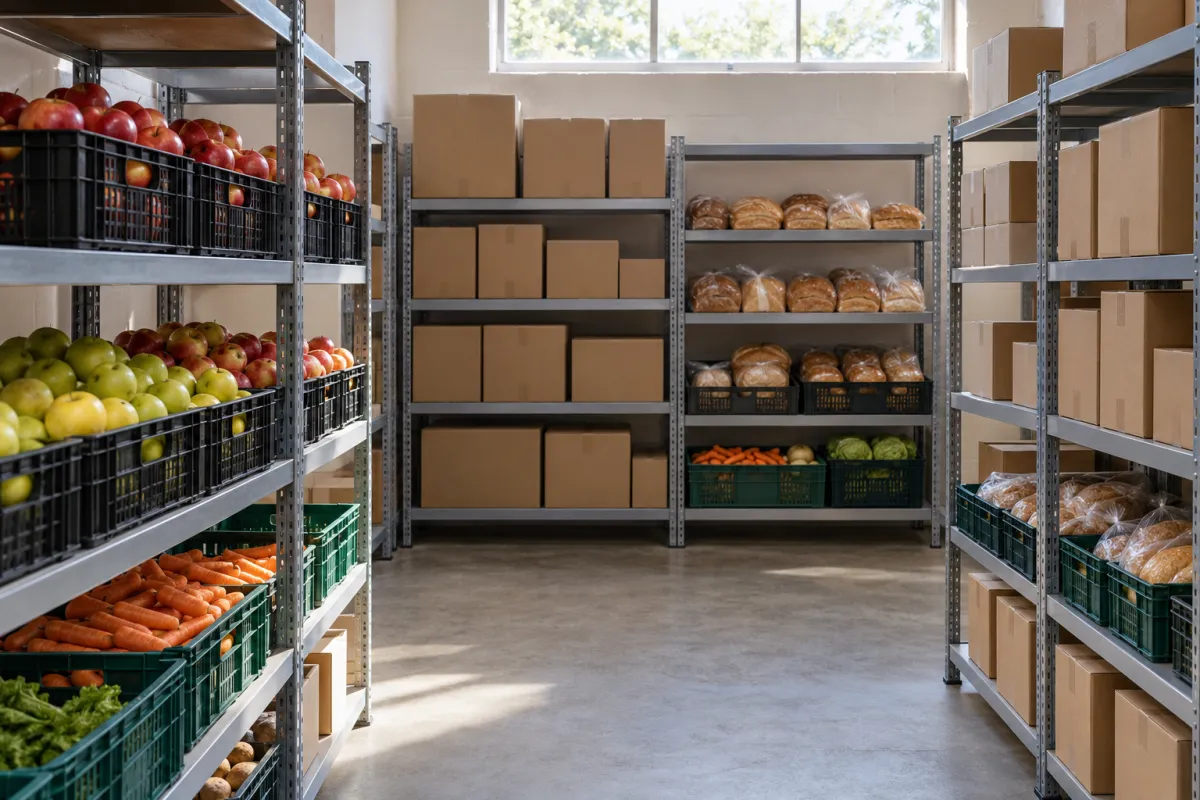
This is the best starting point for most newcomers. Vostel highlights food saving and logistics work with organisations such as Berliner Tafel and neighbourhood soup kitchens. The work is hands-on and team-based, and most of it can be learned by watching someone for five minutes. That makes it forgiving if your German is limited. It also produces natural conversation: you are standing at a table with someone, sorting or packing, and talking just happens. If you are quieter, this is a kind way to ease in.
Migrants and refugees
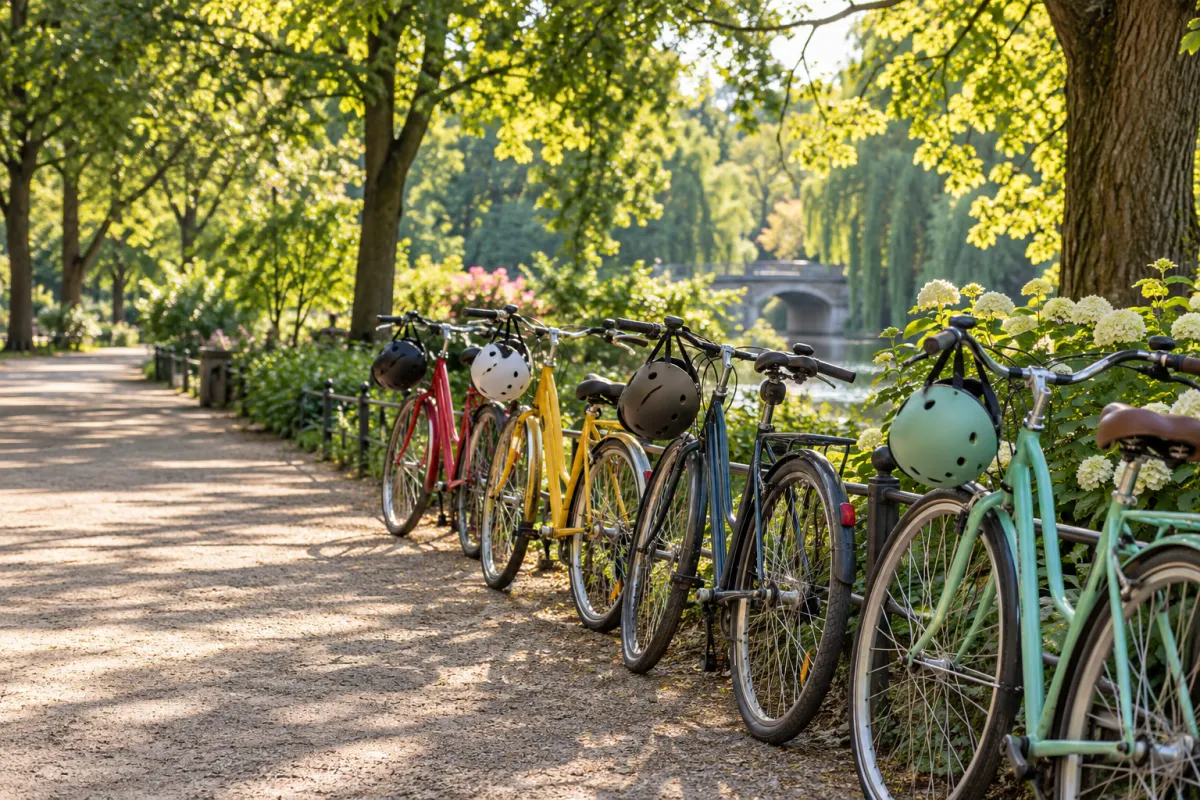
Integration projects are where your outsider status can become useful. You know what it is like to arrive somewhere and not understand the system, and sometimes English is a shared language between volunteers and participants. #BIKEYGEES e.V., which Vostel lists as offering cycling training for women and refugees, is a good example of an activity-based project where the shared goal (learning to ride, building confidence) does a lot of the social work. Be patient and humble here: listen more than you talk, and follow the lead of the regular volunteers.
Climate and nature protection
If you would rather be outdoors than in a warehouse, this category suits you. Outdoor projects tend to attract people who care about the same things you do, which is a strong basis for friendship. They can also be more seasonal, so a project-based commitment may fit better than a weekly one.
Kids and teenagers
Roles with young people can be very rewarding, but they are more likely to come with extra requirements, longer commitments or stronger German expectations. Read the listing closely and ask the organisation what they need before you sign up. If you are fresh off the plane, it may make more sense to start with food saving and come back to this once you are settled.
Your first volunteer shift: a walkthrough
The first shift is where most people either get hooked or quietly drift away. A little preparation makes a big difference.
- Read the listing twice. Check the meeting point, the start time, the language setting and anything you are asked to bring. If the work is in a kitchen or a storage space, sensible closed shoes are a good idea.
- Send a short message. If the platform lets you contact the organiser, write two or three lines: your name, that you are new in Berlin, your German level and that you are looking forward to it. It means someone expects you.
- Arrive a few minutes early. Early arrivals get introduced properly. Late arrivals get pointed at a pile of boxes.
- Introduce yourself to the coordinator first. Say it is your first time. Coordinators usually pair newcomers with someone experienced, and that person is often your first real conversation.
- Ask for a job rather than waiting. “What can I help with?” is the most useful sentence you will say all day. Volunteers who take the unglamorous tasks are remembered warmly.
- Use the breaks. If there is a coffee or snack break, that is where the social side happens. Sit with people rather than checking your phone.
- Ask about the next shift before you leave. “Are you here next week?” is a low-pressure way to signal that you would like to see someone again.
- Book the next slot within a day or two. Momentum matters. If you liked it, book the same day and time so you see the same people.
If your German is basic, say so at the start, smile a lot and point at things. In a practical task, you can do a lot with very few words, and most regulars will happily switch to English or slow down for you.
Turning shift partners into friends
Seeing the same faces every week builds familiarity. Turning familiarity into friendship takes one extra step, and it is usually yours to take. After three or four shifts with the same people, suggest something small and close by: a coffee after the shift, or a walk to the U-Bahn together. Keep it attached to the volunteering so it feels natural rather than like a big ask. Our guide on how to turn acquaintances into friends has step-by-step scripts for exactly this moment.
It also helps to layer volunteering with one or two other regular activities, so your week has several places where people know you. A few that combine well:
- A weekly language meetup. Our list of verified language exchange meetups in Berlin is a good companion, and the German you pick up there will make your volunteer shifts easier.
- A social run. The free social running clubs in Berlin work on the same principle as volunteering: show up regularly and conversation follows.
- A game night. If you prefer sitting down to standing at a sorting table, try the board game cafés and open game nights in Berlin.
Do not overload yourself. Two regular commitments that you actually attend beat five that you skip.
Beyond Berlin: sports clubs, language exchanges and choirs
If you are reading this before a move, or you have friends scattered across Europe asking for advice, the same logic applies everywhere: choose something regular, shared and low-pressure.
Sports clubs for expats in Europe
Sports clubs for expats in Europe range from casual social runs to amateur football, climbing and rowing clubs. The friend-making value comes from the routine and the post-training drink or coffee, not the sport itself. When you compare options, look for a fixed weekly session, a beginner-friendly attitude and a habit of socialising afterwards. A club that trains together and then scatters is fitness, not friendship.
Language exchange Milan and other cities
A language exchange in Milan, Madrid or Paris follows the same basic format: people meet in a café or bar, split their time between two languages and help each other. If you are heading to Milan, look for regular tandem evenings or language cafés with a stable core of attendees. That core is where friendships form. For pairing up one-to-one, our tandem partner guide explains how to find a partner in person anywhere in Europe.
Choir for expats in Paris
A choir for expats in Paris, or any amateur choir that welcomes newcomers, may be the most reliable friendship machine there is. You commit to a fixed rehearsal slot, you work towards a concert together and there is usually a social tradition around it. Before joining, ask whether you need to read music, whether there is an audition and how long the season runs. If singing is not your thing, our guide to language exchange meetups in Paris covers another easy way in.
Staying safe when you meet new people
Volunteering through an established organisation is about as low-risk as meeting people gets, but common sense still applies, especially once you start meeting shift partners outside the project.
- Meet in a public place for the first few meetings outside the volunteering itself: a café, a park, a busy bar.
- Tell a friend where you are going and who you are meeting.
- Arrange your own way home so you never depend on someone you have only just met.
- Leave if you feel uncomfortable. You do not owe anyone an explanation. The same goes for a volunteer project: if something feels off, speak to the coordinator or simply stop going.
Want to turn this into an actual plan? MeetNow is a free app for meeting people in person: a host posts a plan at a public place, says who pays (host pays, split, pay your own or free) and picks who joins. It is live on the web and works in your browser, starting in Malta; the phone apps are not in the App Store or Google Play yet. Open MeetNow and see the plans posted in Malta.
Volunteering in Berlin: FAQ
Can I volunteer in Berlin without speaking German?
Yes. Vostel has a filter under German skills where you can select No German skills or Basic German skills, so you only see projects you can join with English or very little German. Practical roles such as food saving and logistics are especially forgiving if your German is limited.
Do I have to pay to volunteer through Vostel?
No. Vostel lets you book shifts directly or contact non-profit organisations through the platform without fees or complex bureaucracy. Individual projects may ask you to bring something, so read each listing before your first shift.
How much time do I need to commit?
As much or as little as you like. Vostel lets you filter by time commitment: once, project-based or regularly. If your main goal is making friends, a regular slot on the same day each week works best, because you keep seeing the same people.
Which volunteer projects are best for meeting people?
Team-based, hands-on work is usually the most social. Food saving and logistics with organisations such as Berliner Tafel, neighbourhood soup kitchens and activity-based integration projects such as the cycling training run by #BIKEYGEES e.V. all give you a shared task and natural conversation with other volunteers.
What should I do on my first volunteer shift?
Read the listing carefully, send the organiser a short message saying you are new, and arrive a few minutes early. Introduce yourself to the coordinator, ask what you can help with, use the breaks to chat, and before you leave ask the people you worked with whether they will be there next week.