The short answer: a digital nomad hub is a place where enough remote workers gather that a real community forms around them: coworking spaces with events, coliving houses, regular meet-ups and an easy way for newcomers to plug in. In Europe, the best-known hubs include Lisbon, Madeira, Las Palmas de Gran Canaria, Valencia, Barcelona and Bansko. The right one for you depends less on Wi-Fi speeds and more on the season, the visa and what kind of social life you want.
I’ve moved countries twice and spent stretches working remotely in between. The places that worked weren’t the prettiest or the cheapest. They were the ones where, within a week, someone had invited me to a Thursday dinner. This guide is about finding that kind of place, and about what to do once you’re there.
What makes a digital nomad hub (and not just a nice place)
Lots of towns have good coffee and decent internet. A real hub has a few extra things that make it easy to meet people:
- Coworking spaces that run events, not just desks. Lunches, talks, weekend trips and “newbie” welcome evenings are where friendships start.
- Coliving houses, where housemates are also new and looking for company.
- Regular meet-ups, weekly or monthly, so you can come back and see the same faces.
- Active online groups (WhatsApp, Telegram, Facebook, Slack) where people post plans and newcomers introduce themselves.
- A critical mass all year, or at least during the months you’ll be there. Some hubs empty out in the off-season.
- Locals and long-termers, not only people passing through for two weeks. That’s what gives a place depth.
If a place has three or four of these, you’ll find it much easier to build a social life than in a city where you’re the only person on a laptop.
Six European digital nomad hubs compared
| Hub | Best for | Busiest season | Community feel | Visa route (non-EU) |
|---|---|---|---|---|
| Lisbon, Portugal | Big-city energy, startups, culture | Spring to autumn | Large, varied, many meet-ups | Portugal remote-work visa |
| Madeira, Portugal | Nature, hiking, smaller community | Winter (mild climate) | Close-knit, outdoorsy | Portugal remote-work visa |
| Las Palmas de Gran Canaria, Spain | Beach life, surfing, winter sun | Winter | Established, sporty | Spain telework visa |
| Valencia, Spain | Balance of city and beach, lower pace | Spring and autumn | Growing, relaxed | Spain telework visa |
| Barcelona, Spain | Big international scene, design and tech | Most of the year | Large, lots of coworking | Spain telework visa |
| Bansko, Bulgaria | Mountains, skiing, a tight community | Winter and June | Very close-knit | Check Bulgaria’s official immigration rules |
Seasons and community size are general patterns, not guarantees. Last checked: November 2026.
How to choose the right hub for you
Before you book anything, answer four honest questions:
- What does a good weekend look like for you? If it’s a long hike, Madeira or Bansko will make you happier than a big city. If it’s galleries, gigs and late dinners, Lisbon or Barcelona fit better.
- How long are you staying? For a month, a busy hub with lots of events helps you meet people fast. For six months or more, a place with locals and long-termers gives you friendships that last beyond one season.
- What time zone is your work in? Western Europe and the Canary Islands make overlapping with the Americas easier; Bulgaria sits two hours ahead of Lisbon.
- What can you afford for the whole stay? Popular hubs have become more expensive. Budget for rent, coworking and the social life you actually want, not just the flat.
A useful trick: before committing, spend a week or two in your top choice and go to every community event you can. You’ll know quickly whether the vibe suits you.
Hub by hub: where to plug in
Lisbon
Lisbon is many people’s first digital nomad hub, and it shows: dozens of coworking spaces, language exchanges every night of the week and a steady flow of newcomers. The flip side is that it can feel transient, so pick one or two regular things and stick with them. Our guide to digital nomad life in Lisbon lists coworking spaces and meet-ups that are worth your time.
Madeira
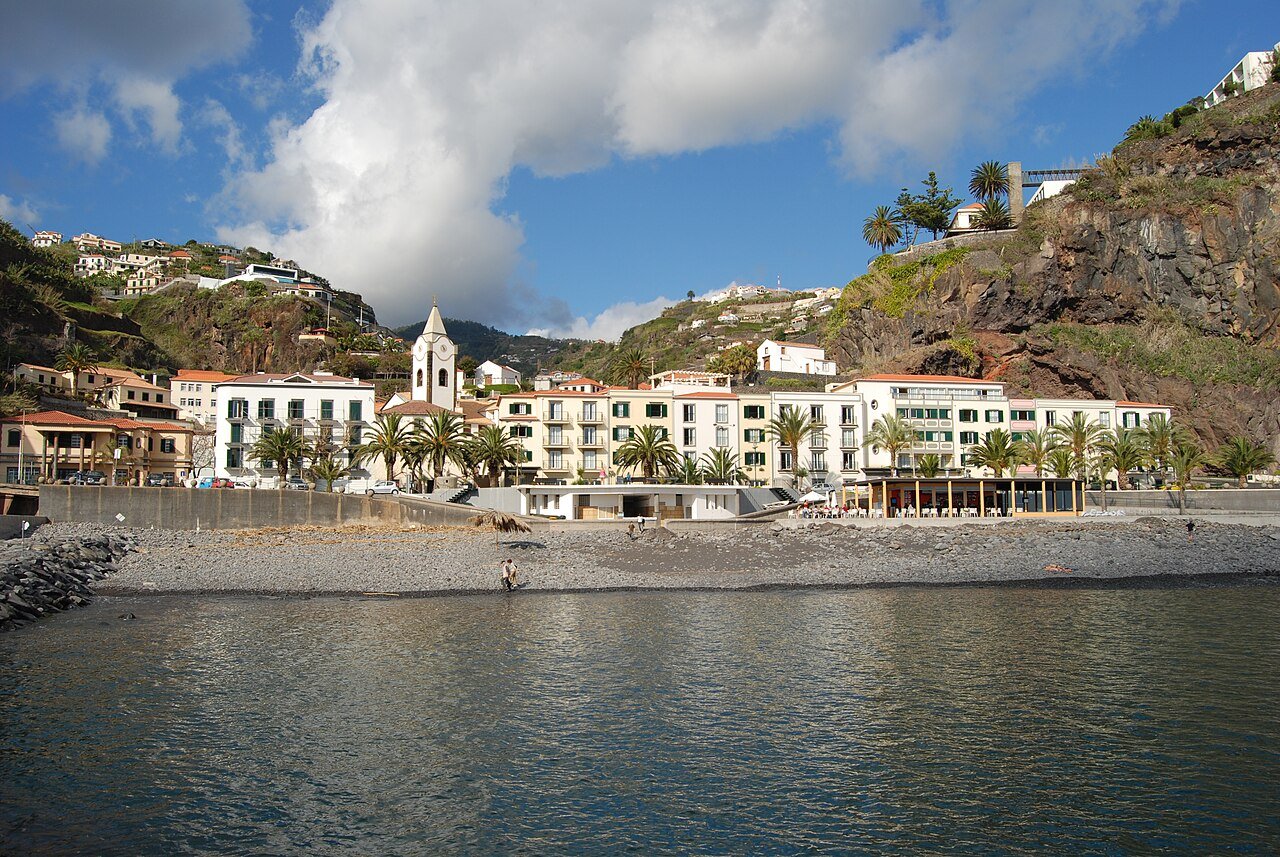
Madeira became a reference point for remote workers when the island’s regional government, through Startup Madeira, launched a digital nomad village in the small coastal town of Ponta do Sol in 2021, with a free coworking space for participants. The community is smaller than Lisbon’s and very outdoorsy: think levada walks at weekends rather than rooftop bars.
Las Palmas de Gran Canaria
Las Palmas is a long-standing winter favourite. Its city beach, Las Canteras, a surfing scene and mild winters draw remote workers from northern Europe from autumn onwards. Coworking and coliving spaces cluster near the beach, and surf or yoga sessions double as a way to meet people.

Valencia
Valencia offers a slower pace than Madrid or Barcelona, a long city beach and the Turia gardens, a park that runs through the centre in an old riverbed. The nomad scene is smaller but friendly. Our Valencia digital nomad guide covers coworking, meet-ups and making friends there.
Barcelona
Barcelona has one of the biggest international communities in southern Europe and a huge choice of coworking spaces, many with community managers who run events. Our round-up of the Barcelona coworking community compares spaces, prices and events.
Bansko
Bansko is a ski town in Bulgaria’s Pirin mountains that has built a reputation as a mountain digital nomad hub. Coworking Bansko organises Bansko Nomad Fest, a festival for remote workers held in June. The community is small and tight: you’ll recognise half the room at the second event you go to.

Visas and paperwork for your digital nomad hub
EU and EEA citizens can generally live and work anywhere in the EU, though local registration rules apply. Non-EU remote workers who want to stay beyond a short visit usually need a digital nomad visa or another residence permit. Thresholds differ a lot: Spain’s telework visa asks for far less monthly income than Estonia’s, for example. Our guide to digital nomad visa countries in Europe compares seven schemes using figures from official government pages.
Two quick reminders: a visa doesn’t decide where you pay tax, so speak to a qualified adviser, and keep copies of everything (passport, visa, insurance, contracts) in the cloud.
Your first-month social plan in a new hub
Arriving in a digital nomad hub can feel like turning up halfway through term. Everyone seems to know each other. Here’s a simple four-week plan:
| Week | What to do |
|---|---|
| 1 | Join the main local nomad chat groups and introduce yourself. Book a coworking space for at least a week and go to its next community event. |
| 2 | Pick one weekly thing (a running group, language exchange, surf lesson, board game night) and go. Say yes to one invitation. |
| 3 | Invite two or three people you’ve met to something small: a lunch, a sunset walk, a market. |
| 4 | Go back to your weekly thing. Suggest a regular plan with whoever you clicked with most. |
Even in the best hub, loneliness can creep in, especially after a wave of friends leaves at the end of a season. Our guide to digital nomad loneliness has a practical weekly plan for those dips.
Safety box
- Meet new people in public places, tell a friend where you’re going, sort your own way home and leave if anything feels off.
- Check reviews and contracts carefully before paying deposits for coliving or flats.
- Use a VPN on shared Wi-Fi in cafés and coworking spaces.
- Save 112, the emergency number that works across the EU.
Want to turn this into an actual plan? MeetNow is a free app for meeting people in person: a host posts a plan at a public place, says who pays (host pays, split, pay your own or free) and picks who joins. It is live on the web now, starting in Malta: open MeetNow in your browser and see the plans posted in Malta. (MeetNow is our own app.)
Frequently asked questions (FAQ)
What is a digital nomad hub?
A place where enough remote workers live, at least for part of the year, that a community forms around them: coworking spaces, coliving houses, regular meet-ups and an easy way for newcomers to join in.
Which is the best digital nomad hub in Europe?
There isn’t one best hub. Lisbon suits people who want a big-city scene, Las Palmas and Madeira suit people who want sea and mild winters, and Bansko suits people who like mountains and a tight-knit community.
How do I meet people in a digital nomad hub?
Work from a coworking space with community events, go to one regular meet-up each week, and invite people you click with to a meal. Coliving houses make the first weeks easier because housemates are also looking for company.
Do I need a visa to work remotely from a European hub?
Non-EU citizens staying longer than a short visit usually need a digital nomad visa or another residence permit. EU citizens can generally live in other EU countries under free movement rules. Check official government pages for your nationality.
When is the best time to go to a digital nomad hub?
It depends on the hub. Island hubs like Las Palmas and Madeira are popular in winter thanks to their mild climate, while Bansko is busiest in winter for skiing and in June for its nomad festival.